
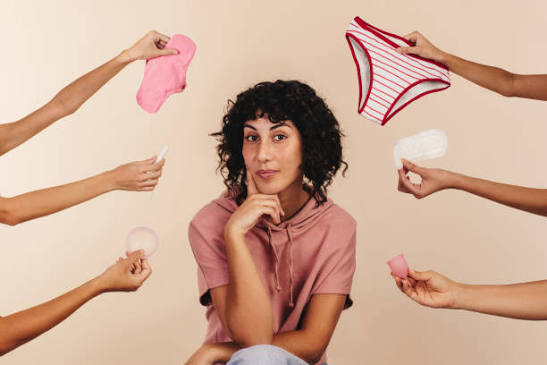
Your period may be over, but maintaining good hygiene after menstruation is still an important part of your overall intimate health. The days following your period can bring changes in vaginal discharge, moisture, and comfort, making many people wonder whether they need to follow a special cleaning routine.
The good news is that post-period hygiene does not need to be complicated. The vagina is naturally self-cleaning, and using harsh products or excessive washing can disrupt its natural environment. A simple routine focused on gentle external cleansing, clean clothing, proper care of menstrual products, and paying attention to unusual symptoms is usually the best approach.
This guide explains everything you need to know about hygiene after your period, including what to do, what to avoid, and when to seek medical advice.
Important: This article provides general hygiene information and is not a substitute for medical advice. If you have persistent itching, unusual discharge, pain, or a strong change in vaginal odor, consult a qualified healthcare professional.
Table of Contents
Why Is Hygiene After Your Period Important?
Good hygiene after your period can help you feel clean and comfortable while supporting the health of the external genital area.
Menstruation is a normal biological process, and your period does not make your vagina “dirty.” In fact, the vagina naturally maintains its own internal environment. Normal vaginal discharge also helps keep the genital area healthy by removing dead cells from the vaginal lining.
After your period ends, you may want to:
- Remove any remaining traces of menstrual blood from the external genital area.
- Change into clean, comfortable underwear.
- Clean and store reusable menstrual products properly.
- Avoid products that may irritate sensitive skin.
- Pay attention to changes in your normal vaginal discharge or odor.
The goal is gentle care, not excessive cleaning.
(Also Read: How Does The Menstruation Cycle Works?)
What Should You Do After Your Period Ends?
1. Gently Clean the External Genital Area
After your period, gently wash the vulva, which is the external genital area, during your regular bathing routine.
Use lukewarm water and avoid vigorous scrubbing. The vagina itself does not need to be washed internally because it is self-cleaning. ACOG and the CDC both advise against practices that disrupt the natural vaginal environment.
After washing, gently pat the area dry with a clean, soft towel.
2. Do Not Douche After Your Period
Some people believe that they need to “clean out” the vagina after menstruation. However, douching is not necessary and can interfere with the vagina’s natural balance.
The vagina naturally cleans itself, and douching may wash away protective bacteria. This can disrupt the normal vaginal environment and contribute to irritation or infection.
Remember: Your period ending does not mean your vagina needs an internal cleansing treatment.
3. Change Into Fresh, Comfortable Underwear
Once your period has ended, change into clean underwear that feels comfortable and allows the area to stay dry.
Breathable underwear with a cotton panel can help improve airflow. Avoid clothing that is excessively tight or causes friction, especially if you have experienced irritation during your period.
If your underwear becomes damp due to sweat or discharge, change into a clean, dry pair.
4. Wash Your Hands After Handling Menstrual Products
Hand hygiene is important throughout your menstrual cycle and remains useful when removing or cleaning menstrual products at the end of your period.
Wash your hands before and after handling tampons, menstrual cups, or other period products. The CDC recommends washing your hands before and after using menstrual products.
(Also Read: Pelvic Inflammatory Disease | Risk | Treatment)
How to Clean Menstrual Products After Your Period
The right cleaning method depends on the type of menstrual product you use.
Menstrual Cups
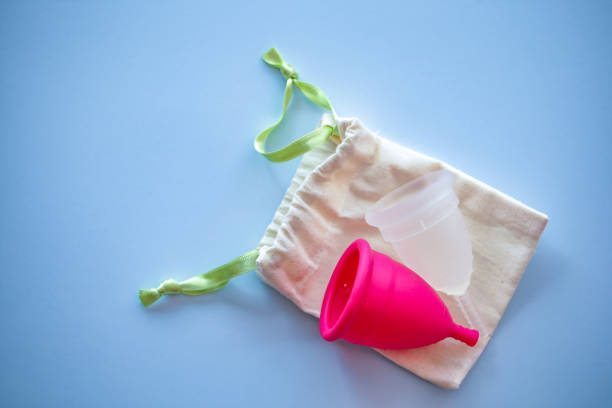
Reusable menstrual cups should be cleaned according to the manufacturer’s instructions. The CDC recommends cleaning menstrual cups daily during use and sanitizing them after your period by thoroughly rinsing and boiling them for the recommended period of time.
Before storing a menstrual cup, make sure it is completely clean and dry. Follow the specific care instructions provided by the product manufacturer.
Period Underwear
Wash reusable period underwear according to the manufacturer’s care instructions. Proper washing helps maintain hygiene and protects the quality of the fabric.
Avoid storing used or damp period underwear without washing it first.
Reusable Cloth Pads
Reusable cloth pads should be washed and dried thoroughly according to the manufacturer’s instructions. Make sure they are completely dry before storing them for your next cycle.
Disposable Pads and Tampons
Used disposable products should be wrapped appropriately and placed in a waste bin. Do not flush pads or tampons unless the manufacturer specifically indicates that a product is designed for flushing. The CDC advises disposing of menstrual products in a trash bin.
(Also Read: Keep Your Intimate Area Hygienic With V Wash)
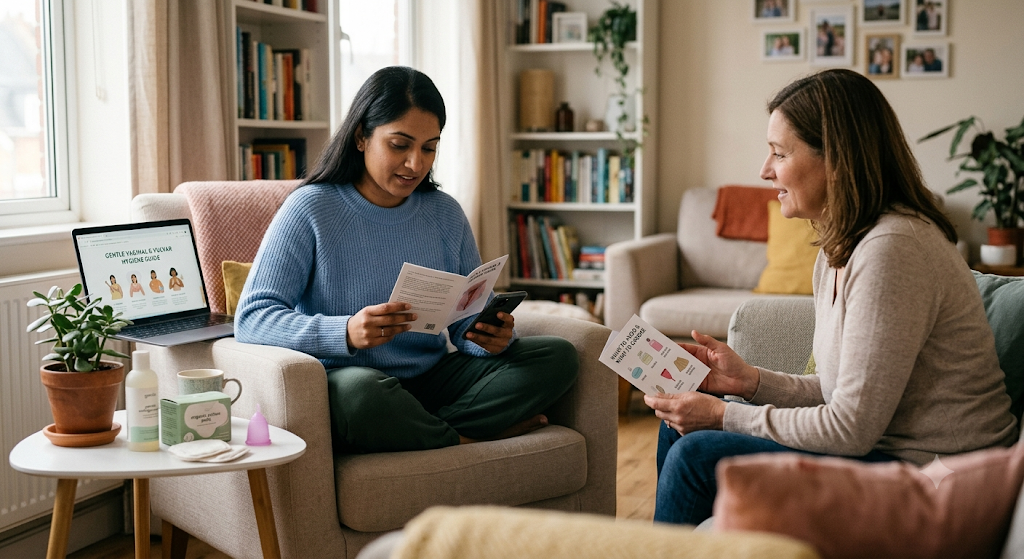
Should You Use Intimate Wash After Your Period?
A special intimate wash is not necessary for everyone. The vagina naturally cleans itself, and using strongly fragranced or harsh products may cause irritation.
If you choose to use a cleanser on the external genital area, keep the routine simple and choose a gentle, fragrance-free product that does not cause irritation. Avoid putting soap or cleansing products inside the vagina. ACOG recommends avoiding vaginal perfumes, deodorants, and douching.
For many people, plain water is sufficient for cleaning the external area.
What Not to Do After Your Period
Good post-period hygiene is often about avoiding unnecessary practices.
Don’t Use Scented Sprays or Vaginal Deodorants
A mild natural vaginal odor can be normal. Using perfumes or deodorants to cover the smell may irritate sensitive skin and can make existing discomfort worse.
If you notice a strong or unusual odor that persists, especially along with changes in discharge, consider speaking with a healthcare professional rather than trying to mask the symptom.
Don’t Overwash
Washing repeatedly throughout the day or scrubbing the genital area can cause dryness and irritation.
Keep your hygiene routine gentle and avoid the idea that you need to wash more because you have recently finished your period.
Don’t Use Harsh or Fragranced Products
Avoid products that may irritate the sensitive vulvar area, including:
- Perfumed soaps
- Feminine sprays
- Scented wipes
- Vaginal deodorants
- Talcum powders
Unscented menstrual and hygiene products may be a better choice for people who experience irritation.
Don’t Ignore Unusual Symptoms
Your discharge can change naturally throughout your menstrual cycle. However, persistent changes in color, amount, consistency, or odor may need medical attention.
Also pay attention to:
- Persistent itching
- Burning
- Pain during urination
- Sores or blisters
- Significant redness or swelling
These symptoms are not necessarily caused by poor hygiene and may require proper diagnosis.
(Also Read: How To Use Period Panty?)
A Simple Hygiene Routine After Your Period
You do not need an elaborate routine after menstruation. A simple approach may include:
- Take a regular shower or bath.
- Gently wash the external genital area with water.
- Pat the area dry with a clean towel.
- Put on clean, comfortable underwear.
- Wash reusable menstrual products according to their instructions.
- Store reusable products only after they are clean and completely dry.
- Avoid douching, fragrances, and unnecessary internal cleansing.
This routine supports cleanliness without interfering with the vagina’s natural processes.
Post-Period Discharge: What Is Normal?
It is common for vaginal discharge to change throughout the menstrual cycle. After your period, you may notice changes in the amount or appearance of discharge as your hormones and cycle progress.
Normal vaginal discharge is generally clear to white and does not have a strong or unpleasant odor. The amount and consistency can vary from person to person and at different points in the menstrual cycle.
Seek medical advice if you notice a significant or persistent change from what is normal for you, particularly if it occurs with itching, burning, pain, or a strong odor.
(Also Read: Myths About Tampons: How To Use Tampons And It’s )
Hygiene Tips for Sensitive Skin After Your Period
Some people experience irritation or sensitivity during or after their period. Pads, friction, moisture, or certain products may contribute to discomfort.
If you have sensitive skin:
- Choose unscented menstrual products.
- Avoid harsh soaps and fragranced wipes.
- Wear loose, breathable clothing.
- Change out of sweaty or damp clothing promptly.
- Avoid scratching irritated skin.
- Keep your routine simple.
If irritation does not improve or keeps returning, consult a healthcare professional to identify the underlying cause.
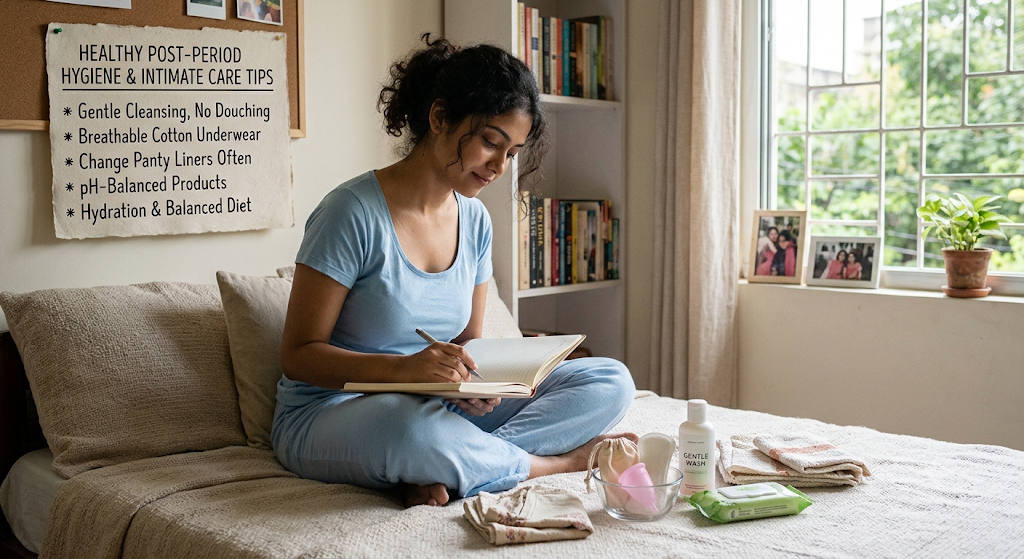
How to Maintain Good Hygiene Between Periods
Intimate hygiene is important throughout the month, not only during menstruation.
Wipe From Front to Back
Always wipe from front to back after using the toilet. This can help reduce the transfer of bacteria from the anal area toward the urethra and vulva.
Stay Hydrated
Drinking enough fluids supports overall health. Your individual fluid needs can vary depending on your activity level, climate, and health needs.
Wear Breathable Clothing
Comfortable clothing and breathable underwear can help reduce trapped heat and moisture around the genital area.
Avoid Unnecessary Products
A long list of hygiene products is not necessary for good intimate care. The simplest routine is often the gentlest one.
(Also Read: Can You Get Pregnant While Having Sex On Your Period?)
Common Myths About Hygiene After Your Period
Myth: You Need to Deep Clean Your Vagina After Your Period
Fact: The vagina is self-cleaning. Internal cleansing and douching are unnecessary and can disrupt the natural vaginal environment.
Myth: A Special Feminine Wash Is Required After Menstruation
Fact: Special products are not required for everyone. Gentle external cleansing with water is often sufficient.
Myth: Any Vaginal Odor Means Poor Hygiene
Fact: A mild natural vaginal odor can be normal. A strong or unusual change in odor may be caused by an infection or another health condition rather than poor hygiene.
Myth: You Should Keep Wearing a Panty Liner After Your Period for Cleanliness
Fact: A panty liner may be useful for light spotting or discharge for some people, but it is not required after every period. If you use one, change it regularly and choose an option that does not cause irritation.
When Should You See a Doctor After Your Period?
Contact a healthcare professional if you experience:
- Persistent itching or burning
- A strong or unusual vaginal odor
- Significant changes in discharge
- Pain during urination
- Pelvic pain
- Sores, blisters, or unusual skin changes
- Symptoms that continue after your period has ended
The CDC recommends seeking medical care for changes in vaginal odor, unusual or severe pain, or more severe menstrual symptoms than usual.
(Also Read: Essential Sexual Hygiene Tips For Women After Sex)
Final Thoughts:
Good hygiene after your period does not require complicated products or deep cleansing. A gentle routine focused on cleaning the external genital area, changing into fresh underwear, caring for menstrual products, and avoiding harsh fragrances is usually enough.
Remember that the vagina is naturally self-cleaning. Avoid douching or using unnecessary internal cleansing products, and pay attention to symptoms that are unusual for you. If you experience persistent itching, pain, unusual discharge, or a significant change in odor, seek guidance from a qualified healthcare professional.
FAQs:
Q. Should I wash my vagina after my period?
A. The vagina is self-cleaning and does not need to be washed internally. You can gently clean the external genital area, called the vulva, as part of your regular bathing routine.
Q. Should I douche after my period?
A. No. Douching is not necessary after your period and can disrupt the natural balance of the vagina.
Q. How do I get rid of period odor after my period?
A. A regular shower and gentle cleaning of the external genital area are usually sufficient. Avoid using vaginal deodorants or scented sprays. If a strong or unusual odor persists, speak with a healthcare professional.
Q. What should I do with my menstrual cup after my period?
A. Clean and sanitize your menstrual cup according to the manufacturer’s instructions before storing it. The CDC recommends thoroughly cleaning menstrual cups and sanitizing them after your period.
Q. Is discharge normal after your period?
A. Yes. Vaginal discharge can change throughout the menstrual cycle. Normal discharge is generally clear to white and does not have a strong odor. A significant or persistent change from your usual discharge may need medical evaluation.
Q. Can I use intimate wash after my period?
A. A special intimate wash is not necessary. If you use a cleanser on the external genital area, choose a gentle, fragrance-free product that does not cause irritation. Never use cleansing products inside the vagina.
Q. Why do I feel itchy after my period?
A. Itching can result from irritation caused by menstrual products, moisture, fragranced products, or other conditions such as infections or skin problems. Persistent or severe itching should be evaluated by a healthcare professional.

You May Also Like
First Period Hygiene Guide: ...
15 September 2026
Vaginal Hygiene Do’s a ...
30 August 2026
Daily Hygiene Routine for Wo ...
15 August 2026
About Us

Hygiene means the way to stay healthy. It is not only important for physical but also mental health, because it directly affects your mind and brain.
Popular Post


Best Foods for UTI: What to Eat and Drink for Urinary Tract Health
30 September 2026
Leave a Comment