


A good daily hygiene routine for women is about much more than looking and smelling fresh. It is a simple combination of personal care habits that supports healthy skin, oral health, intimate comfort, menstrual hygiene, and overall well-being. The most effective routine does not need dozens of products or complicated steps. Instead, it focuses on regular cleansing, clean clothing, proper hand hygiene, dental care, and gentle intimate care.
One important point is often misunderstood: the vagina is self-cleaning, so it does not need to be washed internally. The external genital area, known as the vulva, should be cared for gently without excessive scrubbing, douching, or heavily fragranced products.
This comprehensive guide explains a practical daily hygiene routine for women, including morning and night hygiene, intimate hygiene, period care, oral care, skincare, hair care, clothing habits, and signs that indicate when professional medical advice may be appropriate.
(Also Read: Body Odor Solutions: Causes, Prevention, and Effective Remedies)
Table of Contents
What Is a Daily Hygiene Routine for Women?
A daily hygiene routine for women is a collection of habits designed to keep the body clean, comfortable, and healthy. It generally includes:
- Bathing or showering
- Washing the hands regularly
- Brushing and cleaning between the teeth
- Facial and skincare
- Underarm care
- Intimate hygiene
- Wearing clean underwear and clothes
- Menstrual hygiene when applicable
- Foot and nail care
- Cleaning and drying the body properly
- Maintaining good sexual hygiene
The routine can vary depending on your age, lifestyle, climate, activity level, skin type, menstrual cycle, pregnancy, and individual health needs.
In hot and humid climates, for example, you may sweat more and need to shower or change clothes more frequently. After exercising, swimming, or spending a long time outdoors, additional cleansing may be appropriate.
The goal is healthy cleanliness—not excessive cleaning.
(Also Read: Dental Hygiene for Adults: A Comprehensive Guide)

Why Is a Daily Hygiene Routine Important for Women?
Consistent hygiene helps women feel comfortable and confident while supporting several aspects of everyday health.
1. Helps Keep Skin Clean
Sweat, excess oil, dirt, pollution, and dead skin cells can accumulate on the skin. Regular bathing and appropriate skincare can help maintain cleanliness and reduce irritation.
2. Supports Oral Health
Brushing twice a day and cleaning between teeth helps remove plaque and food particles. Good oral hygiene also contributes to fresh breath.
3. Reduces Unpleasant Body Odour
Sweat itself is generally not the main source of body odour. Odour develops when substances in sweat interact with bacteria on the skin. Keeping sweat-prone areas clean and dry can help control unwanted smells.
4. Supports Intimate Comfort
Gentle care of the vulva can help minimize irritation caused by sweat, friction, moisture, and fragranced products. The vagina itself does not require internal cleansing.
5. Helps During Menstruation
Changing menstrual products appropriately, washing your hands before and after changing them, and keeping the external genital area clean can make periods more comfortable.
6. Builds Confidence
Feeling clean and fresh can make it easier to feel comfortable at work, during social activities, exercise, travel, and intimate relationships.
(Also Read: How Hygiene Affects Attraction in Relationships: A Deep and Detailed Exploration)

Morning Daily Hygiene Routine for Women
Starting your morning with a few consistent hygiene habits can help you feel fresh throughout the day.
1. Wash Your Hands
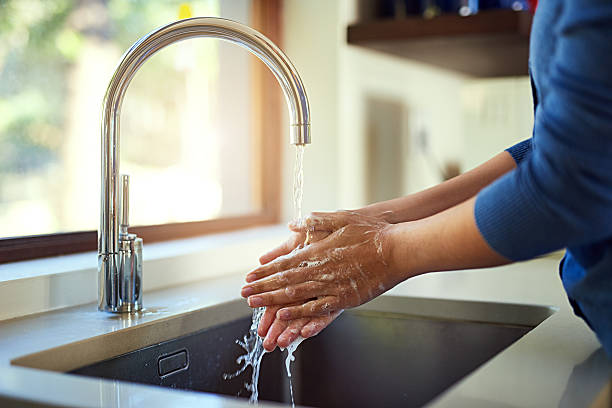
Wash your hands with soap and water after using the toilet and before eating or preparing food. Hand hygiene is one of the simplest ways to reduce the spread of germs.
Pay particular attention to:
- Palms
- Backs of hands
- Between fingers
- Fingertips
- Around the thumbs
- Under fingernails
If soap and water are unavailable, an appropriate alcohol-based hand sanitizer can be useful when hands are not visibly dirty.
2. Brush Your Teeth
Brush your teeth twice a day using fluoride toothpaste and a suitable toothbrush.
A morning routine can include:
- Brushing teeth for about two minutes
- Cleaning the tongue gently
- Cleaning between teeth with floss or another suitable interdental cleaner
- Rinsing if appropriate
Avoid brushing aggressively because excessive pressure can irritate the gums.
If you experience persistent bad breath, bleeding gums, tooth sensitivity, or dental pain, schedule a dental evaluation rather than simply increasing brushing.
3. Cleanse Your Face Gently
Choose a cleanser according to your skin type and concerns.
For example:
- Dry skin may benefit from a gentle, non-stripping cleanser.
- Oily skin may require a cleanser that removes excess oil without excessive drying.
- Sensitive skin generally benefits from fewer irritating ingredients.
Avoid scrubbing the face aggressively. After cleansing, gently pat the skin dry and apply moisturizer if needed.
During the daytime, sunscreen is also an important part of skincare, particularly when spending time outdoors.
4. Take a Shower or Bath
Bathing helps remove sweat, dirt, excess oil, and environmental residue from the skin.
Pay attention to areas that commonly become sweaty, including:
- Underarms
- Feet
- Groin folds
- External genital area
- Under the breasts
- Neck
- Behind the ears
Use lukewarm rather than extremely hot water if hot water tends to dry or irritate your skin.
You do not need to scrub your body aggressively to become clean.
5. Follow the Right Intimate Hygiene Routine
Intimate hygiene is one of the most important parts of a daily hygiene routine for women, but it is also an area where over-cleaning can cause problems.
Remember the difference between the vulva and vagina.
The vulva refers to the external genital structures. The vagina is the internal muscular canal.
The vagina is naturally self-cleaning. Therefore, there is no need to wash inside it or use a douche.
How to clean the vulva
A simple routine is usually sufficient:
- Wash the external area gently with lukewarm water.
- Use your hand rather than an abrasive sponge or rough cloth.
- Avoid vigorous scrubbing.
- Rinse thoroughly.
- Pat the area dry rather than rubbing.
- Put on clean, breathable underwear.
Some women may find fragrance-free gentle products or soap substitutes more comfortable, particularly if their skin is sensitive. If a product causes burning, itching, dryness, or irritation, stop using it.
NHS guidance advises avoiding scented soaps, shower gels, deodorants, wipes, and douching around the vulva because these can irritate sensitive skin.
6. Wear Clean Underwear Every Day
Changing underwear daily is a simple but important part of personal hygiene for women.
Choose underwear that:
- Feels comfortable
- Allows airflow
- Is not excessively tight
- Is changed after heavy sweating
- Is washed thoroughly before reuse
Cotton underwear may be comfortable for many women, particularly when breathability is preferred. If tight clothing causes irritation or discomfort, consider looser alternatives.
7. Use Deodorant if You Want To
Deodorant can help manage body odour, while antiperspirants are designed to reduce sweating.
Apply products only to appropriate external skin and discontinue use if they cause irritation.
There is no need to use deodorant, perfume, or fragrance products on or inside the vagina to make it “clean.”
A healthy vagina does not need to smell like perfume.
(Also Read: What Are The Benefits Of Sex Regularly?)

Midday Hygiene Routine for Women
Your hygiene routine does not have to stop after your morning shower. A few small habits can help you stay comfortable throughout the day.
Wash Your Hands Regularly
Wash your hands:
- After using the toilet
- Before eating
- Before preparing food
- After handling rubbish
- After coughing or sneezing into your hands
- After touching potentially contaminated surfaces
Hand hygiene is especially important before touching menstrual products or the genital area.
Change After Exercise
After exercising or doing activities that cause heavy sweating:
- Change out of sweaty clothes.
- Change underwear if it becomes damp.
- Shower when practical.
- Dry your skin properly.
- Avoid remaining in damp workout clothing for long periods.
Moisture, friction, and prolonged contact with sweaty clothing can contribute to discomfort and irritation.
Keep Your Feet Clean and Dry
Feet can sweat considerably, especially when enclosed in shoes.
A good foot-care routine includes:
- Washing feet regularly
- Drying carefully between the toes
- Changing socks daily
- Changing socks after heavy sweating
- Allowing shoes to dry between uses
- Keeping toenails trimmed
If you repeatedly experience itching, scaling, cracking, or persistent foot odour, consider speaking with a healthcare professional.
(Also Read: What Are The Effects Of Not Having Sex On Your Body?)

Evening Daily Hygiene Routine for Women
An evening routine removes the sweat, makeup, pollution, and dirt accumulated during the day.
1. Remove Makeup Before Bed
If you wear makeup, remove it before sleeping.
Use a gentle makeup remover or cleanser and avoid rubbing the skin or eyes aggressively.
Sleeping with makeup regularly may contribute to clogged pores and irritation.
2. Shower After Sweating
A second shower is not necessarily required every day. However, it can be useful after:
- Intense workouts
- Heavy sweating
- Outdoor activities
- Swimming
- Exposure to dirt or pollutants
If frequent bathing causes dryness, focus on gentle cleansing and moisturization rather than repeatedly using harsh soaps.
3. Change Into Clean Sleepwear
Wear clean, comfortable sleepwear.
If underwear becomes damp from sweat or discharge, change it rather than staying in wet clothing.
Some women find sleeping without underwear comfortable, but it is not mandatory. Comfort and individual preference matter.
4. Brush Your Teeth Before Bed
Night-time oral hygiene is particularly important because food particles and plaque can remain on teeth while you sleep.
A simple routine is:
Brush → clean between teeth → follow your dentist’s recommendations.
(Also Read: How Does The Menstruation Cycle Works?)
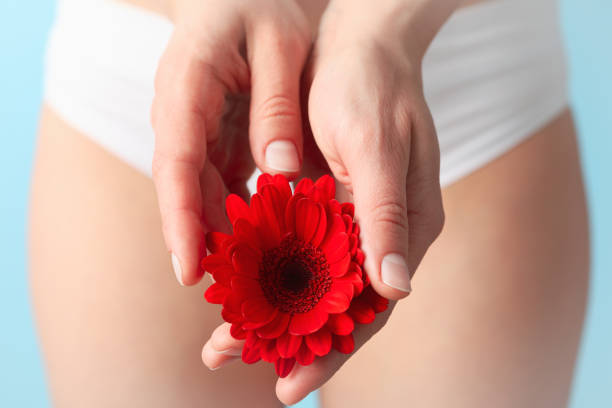
Daily Intimate Hygiene Routine During Periods
Menstrual hygiene deserves additional attention because blood, moisture, and prolonged use of menstrual products can cause discomfort.
Change Menstrual Products Regularly
Whether you use pads, tampons, menstrual cups, or period underwear, follow the manufacturer’s instructions for safe use and change or empty the product appropriately.
Do not keep a menstrual product in place longer than recommended.
Wash Your Hands
Wash your hands before and after changing menstrual products.
Keep the Vulva Clean
You generally do not need special washes or perfumes. Gentle external cleansing is sufficient.
Choose Comfortable Products
If scented pads, liners, or wipes cause irritation, switch to unscented alternatives.
Dispose of Products Properly
Wrap disposable menstrual products and dispose of them according to local waste-management guidance. Do not flush pads, tampons, or wipes down the toilet unless the product is specifically designed to be flushed.
(Also Read: Pelvic Inflammatory Disease | Risk | Treatment)
Intimate Hygiene After Using the Toilet
Toilet habits are another important component of a daily hygiene routine for women.
After urinating or having a bowel movement, wipe from front to back. This reduces the chance of transferring bacteria from the anal area toward the urethra and vulva.
Avoid excessive wiping because repeated friction can irritate sensitive skin.
If you use toilet wipes, choose carefully because even products marketed for feminine hygiene can contain ingredients that irritate vulval skin.

Sexual Hygiene for Women
Sexual hygiene is part of overall intimate health.
Before and after sexual activity:
- Wash your hands.
- Keep sex toys clean according to their manufacturer’s instructions.
- Use condoms when appropriate for STI prevention.
- Use adequate lubrication if needed.
- Urinate after sex if this is comfortable for you.
- Gently clean the external genital area.
- Avoid douching after sex.
Douching does not “clean” the vagina after sex. Instead, it can disrupt the natural vaginal environment and may increase the risk of bacterial vaginosis.
If you have a new sexual partner or concerns about STI exposure, appropriate sexual-health testing may be important.
(Also Read: Keep Your Intimate Area Hygienic With V Wash)
What Should Women Avoid in Their Hygiene Routine?
A healthy women hygiene routine is not about using more products. In many cases, fewer products are better.
Avoid vaginal douching
Do not flush water, soap, or other solutions inside the vagina. The vagina naturally cleans itself.
Avoid heavily fragranced intimate products
Perfumed washes, sprays, deodorants, and wipes may irritate the vulval skin.
Avoid excessive washing
Washing repeatedly throughout the day can strip the skin and increase dryness or irritation.
Avoid aggressive scrubbing
The vulva contains delicate skin. Gentle washing is preferable to vigorous rubbing.
Avoid putting household products on the vulva
Home remedies involving ingredients such as lemon juice, baking soda, vinegar, essential oils, or other acidic or alkaline substances can irritate sensitive genital skin.
Avoid self-treating unexplained symptoms
Itching, burning, unusual discharge, sores, or persistent odour can have different causes. Masking symptoms with hygiene products may delay appropriate diagnosis.
(Also Read: Home Remedies For Itchy Vagina Advantages)

Daily Hygiene Routine for Women: A Simple Checklist
| Hygiene Habit | Recommended Routine |
|---|---|
| Brush teeth | Morning and night |
| Clean between teeth | Daily |
| Shower/bathe | According to activity, climate and personal needs |
| Wash hands | Frequently throughout the day |
| Clean vulva | Gently; avoid internal washing |
| Change underwear | Daily or sooner if sweaty/damp |
| Change menstrual products | According to product instructions |
| Clean face | Morning and evening as appropriate |
| Deodorant | Optional, on external skin |
| Wash feet | Daily/as needed |
| Change sweaty clothes | As soon as practical |
| Trim nails | Regularly |
| Wash towels | Regularly |
| Wash bedding | Regularly |
How to Build a Daily Hygiene Routine You Can Actually Follow
A routine should be realistic rather than overwhelming.
Start With the Essentials
If you are creating a routine from scratch, begin with:
- Brush your teeth twice daily.
- Wash your hands regularly.
- Bathe or shower according to your needs.
- Wear clean underwear.
- Gently clean the external genital area.
- Avoid douching and irritating intimate products.
- Change after heavy sweating.
- Maintain regular menstrual hygiene.
Once these habits become automatic, add other personal-care habits.
Keep Products Simple
You do not need a bathroom shelf full of specialized hygiene products.
A simple routine can be more skin-friendly and easier to maintain.
Pay Attention to Your Body
Your hygiene needs can change with:
- Menstruation
- Pregnancy
- Exercise
- Weather
- Travel
- Sexual activity
- Menopause
- Skin sensitivity
Adjust your routine based on your comfort and health needs.
(Also Read: Can You Get Pregnant While Having Sex On Your Period?)

A Practical 5-Minute Morning Hygiene Routine for Women
When you are short on time, focus on the basics:
Step 1: Brush your teeth.
Step 2: Wash your face.
Step 3: Shower or freshen up according to your needs.
Step 4: Gently clean and dry the external genital area.
Step 5: Apply moisturizer, sunscreen, and deodorant if desired.
Step 6: Put on clean underwear and clothes.
Remember, a good routine is about consistency rather than perfection.
A Practical Night Hygiene Routine
Before going to bed:
Step 1: Remove makeup.
Step 2: Cleanse your face.
Step 3: Shower if you have sweated during the day.
Step 4: Change into clean sleepwear.
Step 5: Brush and clean between your teeth.
Step 6: Make sure the intimate area is clean and dry.
Step 7: Follow your normal skincare routine.
Final Thoughts:
A good daily hygiene routine for women does not require expensive products, complicated treatments, or excessive cleansing. The foundation is simple: clean hands, healthy oral care, regular bathing, clean clothes, proper menstrual hygiene, gentle vulval care, and attention to changes in your body.
When it comes to intimate hygiene, remember that clean does not mean scented. The vagina is naturally self-cleaning, and internal washing or douching is unnecessary. Gentle external care and avoiding irritating products are generally more appropriate.
Most importantly, hygiene should support your health and comfort—not create anxiety about being “unclean.” If you notice persistent itching, unusual discharge, unexpected bleeding, pelvic pain, sores, or significant changes in odour, consult a qualified healthcare professional rather than trying to solve the problem by washing more frequently.
A simple, consistent routine is enough to help you feel fresh, comfortable, confident, and cared for every day.
(Also Read: What Are The Symptoms Of Ovulation?)
FAQs:
Q. What is the best daily hygiene routine for women?
A. A basic routine includes brushing your teeth twice daily, regular handwashing, bathing or showering as needed, wearing clean underwear, caring gently for the vulva, changing after heavy sweating, maintaining menstrual hygiene, and keeping your skin, feet, and hair clean.
Q. How often should a woman wash her intimate area?
A. The external genital area can generally be cleaned gently once a day and after activities that cause significant sweating or soiling. Avoid excessive washing because it may irritate sensitive vulval skin.
Q. Should women wash inside the vagina?
A. No. The vagina is self-cleaning, and routine internal washing or douching is unnecessary. Douching can disturb the normal vaginal environment and increase the risk of bacterial vaginosis.
Q. Is feminine wash necessary every day?
A. No. A specialized feminine wash is not automatically necessary. Fragranced washes and other intimate products can irritate the vulva, so simple, gentle care is often preferable.
Q. Why does my vagina have an odour even when I maintain good hygiene?
A. A mild natural vaginal scent can be normal. However, a sudden, strong, or unusual odour may be associated with an underlying condition, particularly if accompanied by unusual discharge, itching, soreness, or pain. In such cases, consult a healthcare professional rather than using deodorants or douches.
Q. How can women stay fresh during periods?
A. Change menstrual products according to their instructions, wash your hands before and after changing them, keep the external genital area clean and dry, and choose unscented products if fragrances cause irritation.
Q. Should women wear cotton underwear every day?
A. Cotton underwear can be a comfortable, breathable choice for many women. More broadly, choose underwear that fits comfortably and change it daily or sooner if it becomes sweaty or damp.
Q. Can poor hygiene cause vaginal infections?
A. Some hygiene practices can affect irritation and the vaginal environment, but not every vaginal infection is caused by poor hygiene. Douching, for example, can increase the risk of bacterial vaginosis. Persistent symptoms should be medically evaluated.
Q. How can I prevent intimate-area irritation?
A. Avoid excessive washing, douching, scented products, deodorants, wipes, and aggressive scrubbing. Wear comfortable clothing and keep the external genital area clean and dry.
Q. When should I see a doctor about vaginal symptoms?
A. Seek medical advice for persistent itching, soreness, unusual discharge, significant changes in smell, pelvic pain, painful urination, bleeding between periods or after sex, genital sores, or symptoms that do not improve.

You May Also Like

Effective Ayurveda Remedies ...
15 March 2025

Miscarriage In First Month S ...
15 August 2024

How To Take Care Of Yourself ...
30 July 2024
About Us

Hygiene means the way to stay healthy. It is not only important for physical but also mental health, because it directly affects your mind and brain.


Leave a Comment