


A urinary tract infection (UTI) can cause uncomfortable symptoms such as burning during urination, frequent urges to urinate, and lower abdominal discomfort. While medical treatment may be necessary for a UTI, many people also wonder whether certain foods and drinks can support urinary tract health.
The truth is that no specific food can cure an active UTI. However, staying well hydrated and following a balanced diet can support your overall health. Some foods, such as cranberries, have also been studied for their possible role in reducing the risk of recurrent UTIs.
In this guide, we explore the best foods for UTI, what to drink, foods that may irritate the bladder, and important hygiene habits that can support urinary tract health.
Important: Food and home remedies should not replace medical diagnosis or treatment for a suspected UTI. If you have symptoms of an infection, especially severe symptoms, fever, back pain, or worsening discomfort, contact a healthcare professional.
(Also Read: 11 Effective Detox Water For Glowing Skin)
Table of Contents
Can Food Help Treat a UTI?
Diet can support general health and hydration, but it should not be considered a treatment for an active urinary tract infection.
According to the National Institute of Diabetes and Digestive and Kidney Diseases (NIDDK), researchers do not believe that diet can prevent or treat bladder infections. However, drinking enough liquids can help you stay hydrated, and water is the best choice. Cranberry products may have a possible role in preventing recurrent UTIs, but they do not treat an existing infection.
The best dietary approach is to focus on:
- Drinking enough water
- Eating a balanced diet
- Including fiber-rich foods
- Choosing nutrient-dense fruits and vegetables
- Avoiding foods and drinks that worsen bladder irritation
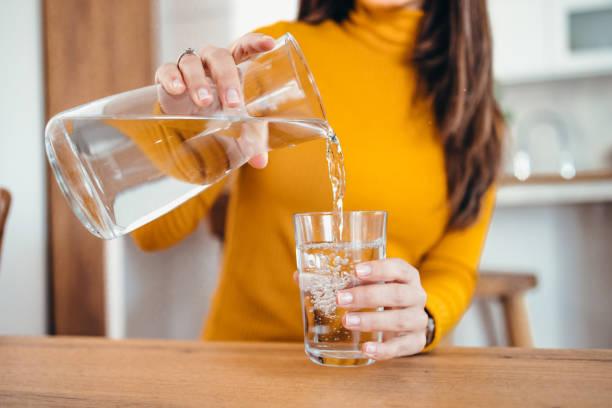
1. Water: The Most Important Drink for Urinary Health
Water is not technically a food, but it is one of the most important parts of supporting urinary tract health.
Drinking enough fluids helps you stay hydrated and supports regular urination. The NIDDK recommends adequate fluid intake to help prevent or relieve UTIs, with water being the best choice.
Tips for Staying Hydrated
- Drink water regularly throughout the day.
- Increase fluids when you are sweating heavily or spending time in hot weather.
- Pay attention to your body’s thirst signals.
- Follow your healthcare professional’s advice if you have a medical condition that requires you to limit fluids.
Avoid forcing excessive amounts of water, especially if you have been advised to restrict your fluid intake.
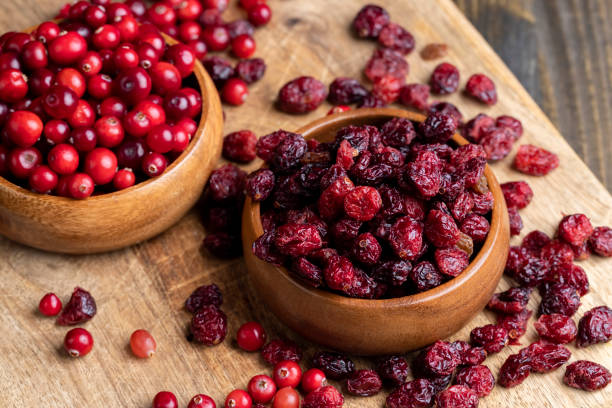
2. Cranberries
Cranberries are one of the most widely discussed foods for urinary tract health. They contain natural compounds that researchers have studied for their potential role in reducing the ability of certain bacteria to attach to the urinary tract.
Current evidence is mixed. The American Urological Association’s guideline on recurrent UTIs recommends offering cranberry as an option for prevention in women with recurrent UTIs. However, cranberry products should not be used as a treatment for an existing infection.
You can include cranberries as part of a balanced diet by choosing:
- Fresh cranberries
- Unsweetened cranberry products
- Cranberry juice with limited added sugar
Keep in mind that many commercial cranberry drinks contain significant amounts of added sugar.
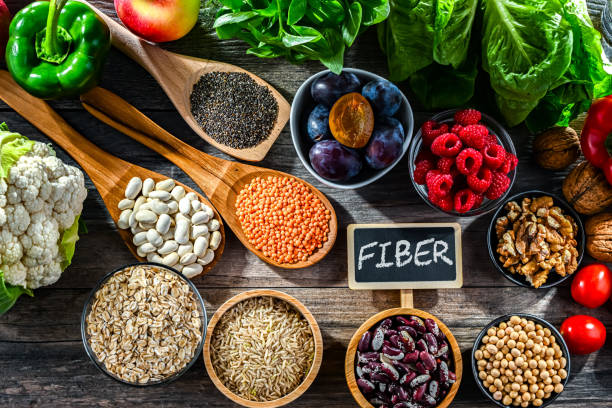
3. Fiber-Rich Foods
A diet rich in fiber supports healthy digestion and regular bowel movements. Managing constipation can be helpful for overall urinary and bladder health.
Good sources of dietary fiber include:
- Oats
- Whole grains
- Beans and lentils
- Vegetables
- Fruits
- Nuts and seeds
Add fiber to your diet gradually and drink adequate fluids, as suddenly increasing fiber without enough fluid may cause digestive discomfort.
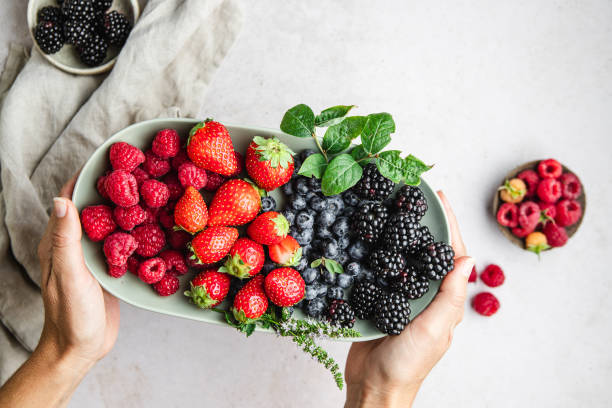
4. Berries:
Berries are nutritious additions to a balanced diet. Blueberries, strawberries, and other berries provide vitamins, fiber, and plant compounds.
You can enjoy berries:
- With breakfast
- In plain yogurt
- In oatmeal
- As a fresh snack
Although berries are healthy foods, they should not be promoted as a cure for an active UTI. A varied diet is more beneficial than relying on a single “UTI food.”
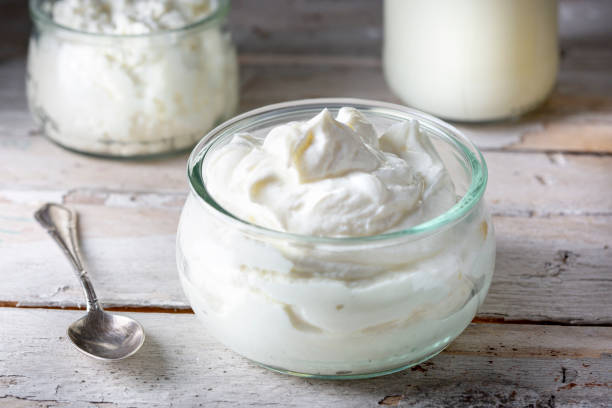
5. Yogurt and Other Nutritious Fermented Foods
Plain yogurt and other fermented foods can be part of a healthy, balanced diet. Some contain live cultures that support the gut microbiome.
However, more research is needed to determine exactly how probiotic foods affect UTI prevention and recurrence. Yogurt should not be considered a treatment for a urinary tract infection.
Choose plain or low-added-sugar yogurt when possible, and include it as part of an overall balanced eating pattern.
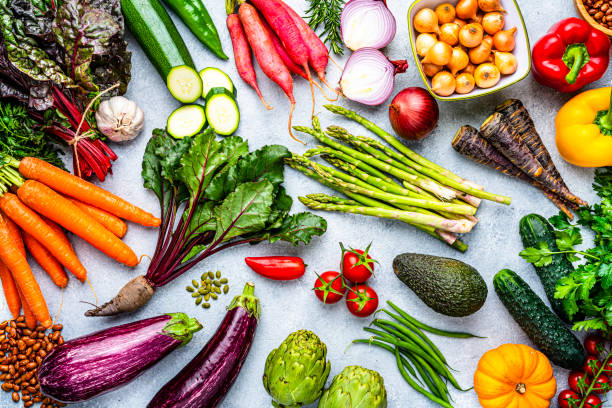
6. Colorful Vegetables
Vegetables provide fiber and essential nutrients that support overall health. A colorful variety can help you build a nutrient-dense diet.
Good options include:
- Broccoli
- Carrots
- Cucumbers
- Leafy greens
- Bell peppers
- Green beans
Vegetables do not directly eliminate bacteria from the urinary tract, but they are valuable components of a healthy diet.
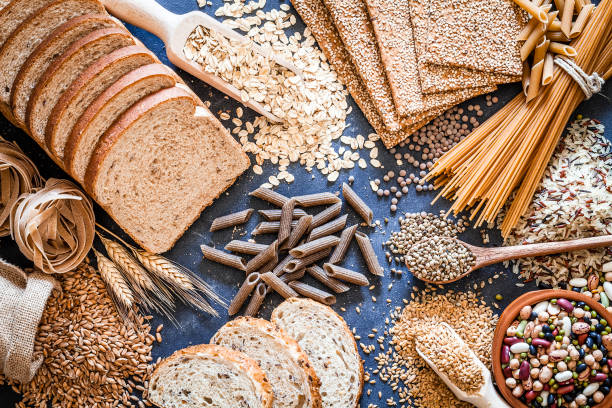
7. Whole Grains
Whole grains provide fiber and other nutrients that support digestive health.
Try including:
- Oats
- Brown rice
- Whole-wheat bread
- Barley
- Quinoa
A balanced diet with adequate fiber may help prevent constipation, which is beneficial for overall bladder and urinary health.
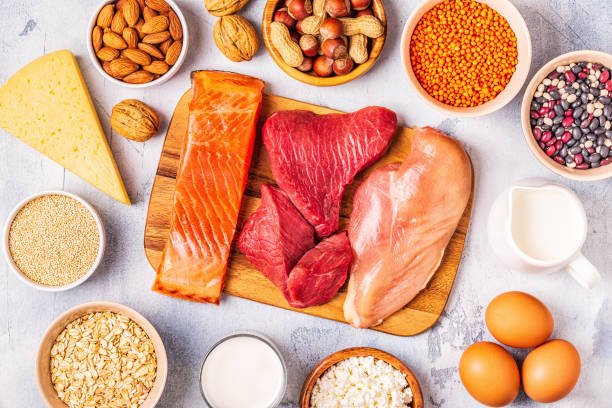
8. Lean Protein Foods
Protein is an essential nutrient that supports normal body functions.
Healthy protein options include:
- Eggs
- Fish
- Poultry
- Tofu
- Beans
- Lentils
Choose a variety of protein sources as part of a balanced diet rather than relying on highly processed foods.
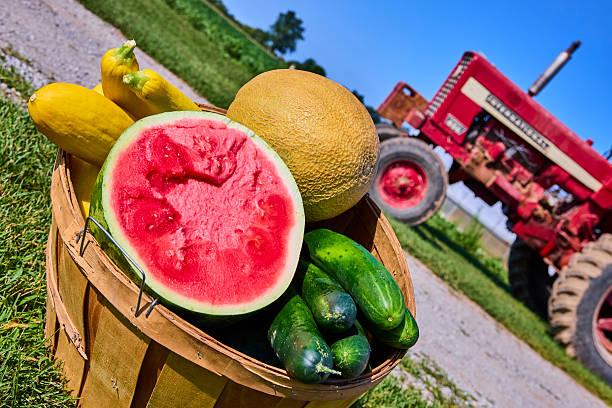
9. Water-Rich Fruits and Vegetables
Some fruits and vegetables have a high water content and can contribute to your overall fluid intake.
Examples include:
- Cucumber
- Watermelon
- Lettuce
- Strawberries
- Melon
These foods should complement—not replace—regular water intake.
(Also Read: Home Remedies To Cleanse Lungs For Smokers)
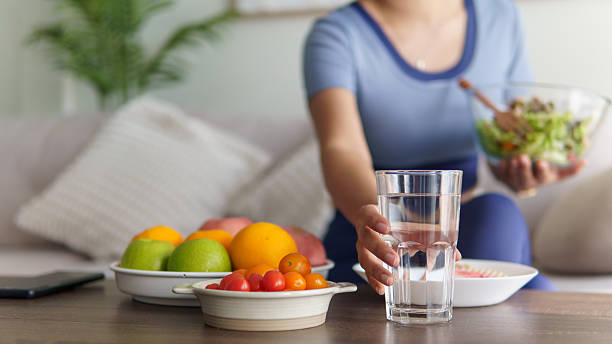
Foods and Drinks to Limit When You Have UTI Symptoms
Food does not cause every UTI, and dietary restrictions are not a substitute for treatment. However, some people find that certain foods or drinks irritate the bladder and make urinary symptoms feel more uncomfortable.
You may consider limiting:
Caffeinated Drinks
Coffee, energy drinks, and some teas contain caffeine, which can irritate the bladder in some people.
Alcohol
Alcohol may contribute to dehydration and can irritate the bladder.
Sugary Drinks
Sugary beverages can add unnecessary sugar to your diet and are not as hydrating as water.
Fizzy Drinks
Carbonated drinks may irritate the bladder in some individuals.
The best approach is to pay attention to your symptoms and discuss persistent bladder discomfort with a healthcare professional. Public health guidance also emphasizes drinking enough fluids and limiting drinks that can irritate the bladder, such as excessive caffeine or alcohol.
(Also Read: 13 Best Ayurvedic Herbs For Weight Loss)
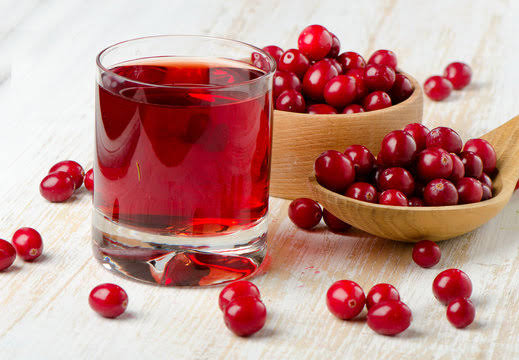
What About Cranberry Juice for UTI?
Cranberry juice is often recommended as a home remedy, but it is important to understand its limitations.
Research suggests cranberry products may help reduce the risk of recurrent UTIs for some people, but the evidence varies. The U.S. Food and Drug Administration has described the evidence supporting cranberry products and reduced risk of recurrent UTIs as limited and, for cranberry juice, inconsistent.
Most importantly, cranberry juice does not treat an active UTI. If you have symptoms of an infection, do not delay medical care while relying on cranberry products.
(Also Read: 17 Effective Homemade Lip Scrubs)

Can Good Hygiene Help Prevent UTIs?
Along with hydration and a balanced diet, everyday hygiene habits may help reduce the risk of urinary tract infections.
Helpful habits include:
- Wiping from front to back after using the toilet.
- Avoiding harsh or scented products that irritate the genital area.
- Staying hydrated.
- Not holding urine for long periods.
- Urinating after sexual activity when appropriate.
- Keeping the genital area clean and dry.
The U.S. National Institutes of Health lists hydration, front-to-back wiping, and avoiding irritating feminine hygiene products as measures that may help reduce UTI risk.
(Also Read: 9 Best Face Packs To Remove Pigmentation)

When Should You See a Doctor for a UTI?
Do not rely on food or home remedies alone if you think you have a UTI.
Seek medical advice if you experience:
- Burning or pain during urination
- Frequent or urgent urination
- Blood in the urine
- Persistent lower abdominal discomfort
- Fever or chills
- Back or side pain
- Nausea or vomiting
- Symptoms that are worsening or not improving
These symptoms may require prompt medical evaluation. An untreated infection can sometimes spread to the kidneys and become more serious.
Final Thoughts:
The best foods for UTI are best understood as foods that support overall health and hydration, rather than foods that cure an infection. Water should be the foundation of your hydration routine, while fruits, vegetables, whole grains, fiber-rich foods, and healthy protein sources can contribute to a balanced diet.
Cranberry products may have a role in reducing recurrent UTIs for some people, but they should not replace medical treatment for an active infection. If you experience persistent or severe UTI symptoms, seeking professional medical advice is the safest and most effective step.
FAQs:
Q. What are the best foods to eat when you have a UTI?
A. No food can cure an active UTI. A balanced diet that includes fiber-rich foods, fruits, vegetables, whole grains, and adequate fluids can support overall health. Water is the best choice for hydration.
Q. Is cranberry juice good for a UTI?
A. Cranberry products may help reduce the risk of recurrent UTIs in some people, but cranberry juice does not treat an existing UTI.
Q. What should I drink when I have UTI symptoms?
A. Water is generally the best choice for maintaining hydration. If you have a medical condition that affects your fluid intake, follow the guidance of your healthcare professional.
Q. Can yogurt cure a UTI?
A. No. Yogurt can be part of a healthy diet, but it is not a proven cure for an active urinary tract infection.
Q. Should I avoid coffee when I have a UTI?
A. Caffeine may irritate the bladder in some people and can make urinary discomfort feel worse. Consider limiting caffeinated drinks if you notice that they worsen your symptoms.
Q. Can I prevent a UTI with food?
A. There is no single food that guarantees UTI prevention. Staying hydrated and following a balanced diet can support general health. Cranberry may be an option for some people with recurrent UTIs, but evidence varies.
Q. What is the fastest way to get rid of a UTI?
A. The appropriate treatment depends on the cause and severity of the infection. If you have symptoms of a UTI, contact a healthcare professional for proper diagnosis and treatment rather than relying solely on foods or home remedies.

You May Also Like
9 Best Homemade Scrub for Dr ...
15 June 2026

Home Remedies to Protect Aga ...
15 February 2026

10 Effective Home Remedies f ...
15 January 2026
About Us

Hygiene means the way to stay healthy. It is not only important for physical but also mental health, because it directly affects your mind and brain.
Popular Post


Best Foods for UTI: What to Eat and Drink for Urinary Tract Health
30 September 2026
Leave a Comment