

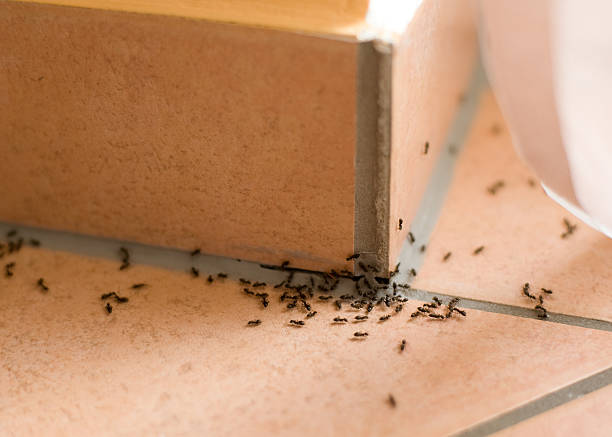
The monsoon season brings welcome relief from scorching summer temperatures, filling rivers, nourishing crops, and refreshing the environment. However, along with cool breezes and lush greenery comes an unwelcome invasion—household pests. How to keep home pest free in monsoon is the main concern of every household. Increased humidity, stagnant water, damp walls, and overflowing drains create the perfect breeding conditions for insects and rodents, making homes vulnerable to infestations.
From mosquitoes buzzing around bedrooms to cockroaches hiding in kitchens, termites damaging wooden furniture, and ants marching across countertops, monsoon pests are more than just an annoyance. Many carry diseases, contaminate food, trigger allergies, and cause costly damage to your property.
Fortunately, keeping your home pest-free during the rainy season doesn’t require expensive treatments if you adopt preventive habits early. A combination of cleanliness, moisture control, proper storage, and regular inspections can significantly reduce the chances of infestation.
In this comprehensive guide, you’ll learn practical, effective, and eco-friendly ways to protect your home from common monsoon pests while maintaining a healthy and hygienic living environment. So, see how to keep home pest free in Monsoon.
(Also Read: Body Odor Solutions: Causes, Prevention, and Effective Remedies)
Table of Contents
Why Do Pests Increase During Monsoon?
Before discussing prevention, it’s important to understand why pests become more active during rainy months.
Heavy rainfall floods underground nests and burrows, forcing insects and rodents to seek shelter indoors. High humidity encourages rapid breeding, while standing water becomes an ideal breeding ground for mosquitoes. Food scraps, damp storage spaces, and clogged drains further attract unwanted visitors.
Common reasons include:
- Increased moisture and humidity
- Standing water around homes
- Overflowing drains and gutters
- Damp walls and wooden furniture
- Food left uncovered
- Poor ventilation
- Cracks and gaps that allow pests to enter
Once these conditions exist, pests can multiply surprisingly quickly.
(Also Read: The Ultimate Daily Hygiene Routine: Your Step-by-Step Guide to Daily Cleanliness)
Common Monsoon Pests Found Indoors:
Understanding the pests you’re dealing with helps you choose the right preventive measures.
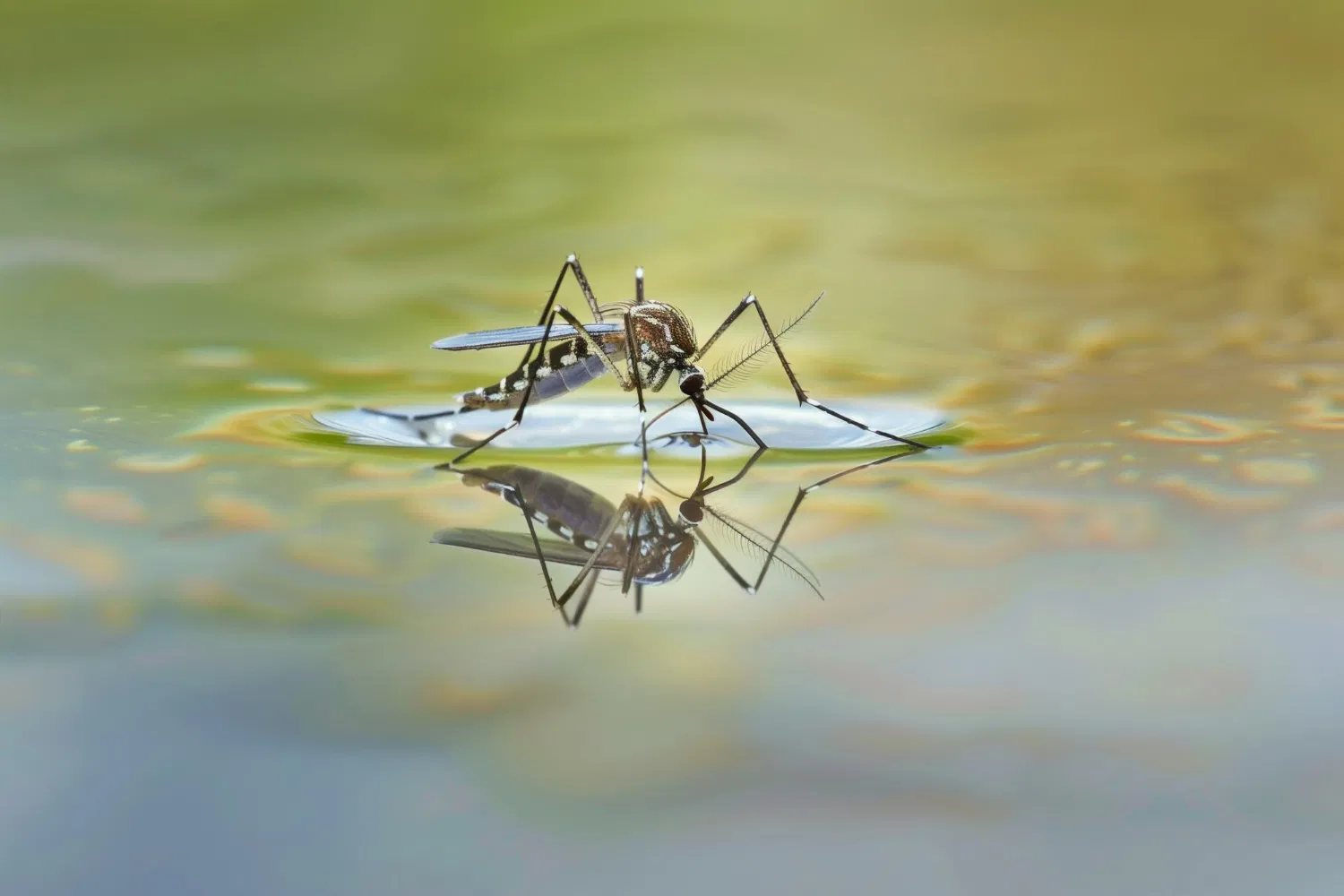
1. Mosquitoes:
Mosquitoes breed in stagnant water and are among the biggest health threats during monsoon.
They spread diseases such as:
- Dengue
- Malaria
- Chikungunya
- Zika Virus
Even a small amount of standing water in flower pots or buckets can become a breeding site.
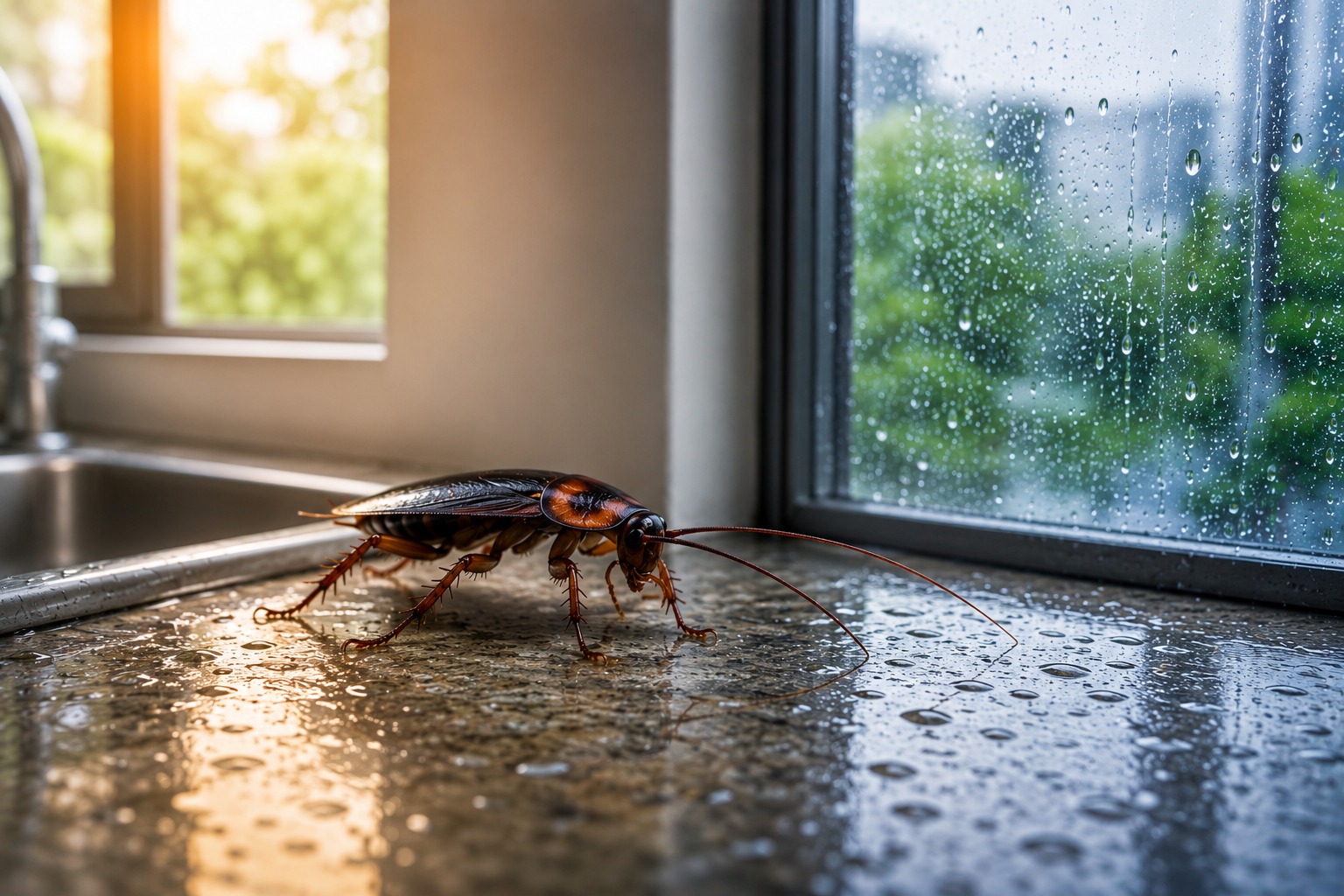
2. Cockroaches:
Cockroaches thrive in damp kitchens, bathrooms, drains, and storage areas. They contaminate food, spread bacteria, and trigger allergies and asthma in many individuals.
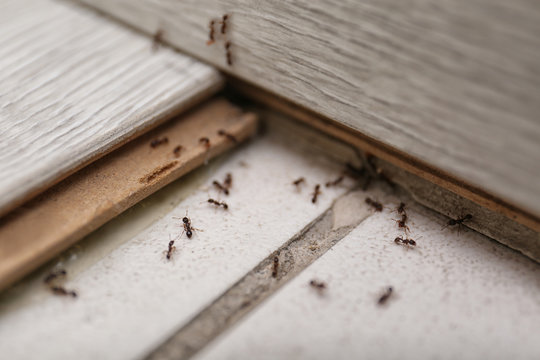
3. Ants:
Rain often floods ant colonies, driving them indoors in search of food and shelter. They’re especially attracted to:
- Sugar
- Honey
- Fruits
- Pet food
- Crumbs
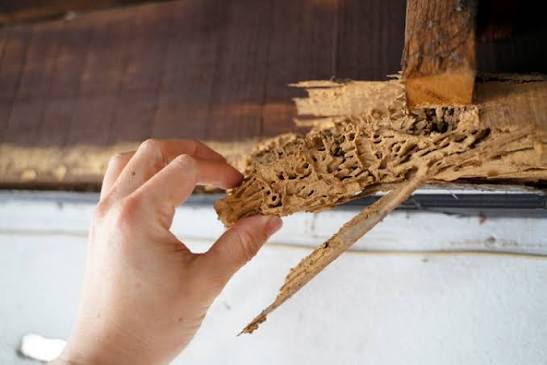
4. Termites:
Moist wood becomes highly attractive to termites. Unchecked infestations can damage:
- Wooden furniture
- Doors
- Windows
- Cabinets
- Flooring
(Also Read: What Are The Benefits Of Sex Regularly?)
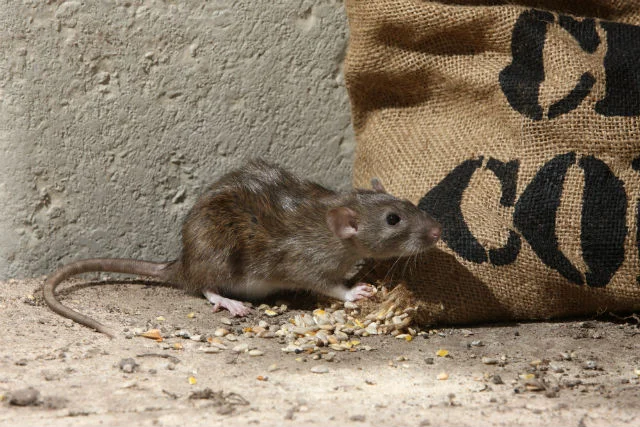
5. Rodents:
Rats and mice enter homes seeking warmth, food, and dry shelter.
They can:
- Chew electrical wires
- Damage furniture
- Spread diseases
- Contaminate food
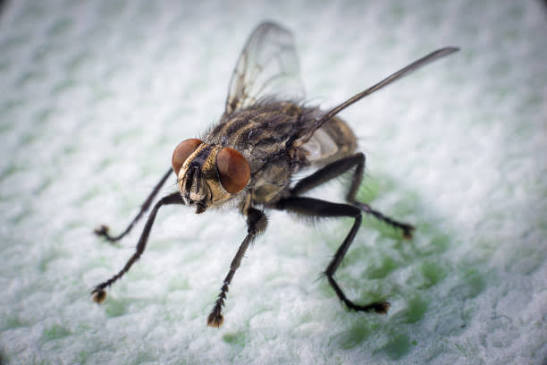
6. Houseflies:
Garbage, wet waste, and damp surroundings attract flies. They carry harmful bacteria from dirty surfaces directly to food.

7. Silverfish:
Silverfish thrive in humid conditions and often damage:
- Books
- Documents
- Wallpapers
- Clothes
(Also Read: 9 Ayurvedic Herbs For Sex Power)
15 Effective Ways to How to Keep Home Pest Free in Monsoon:
With consistent maintenance and a proactive approach, your home can remain safe, hygienic, and comfortable throughout the rainy season. A little extra care today can save you from expensive repairs, health risks, and unnecessary stress tomorrow, allowing you to enjoy the beauty of the monsoon without sharing your space with unwanted guests. So, see below the effective ways to keep your home pest free in monsoon.

1. Eliminate Standing Water:
Standing water is the biggest cause of mosquito breeding.
Regularly inspect:
- Flower pots
- AC trays
- Buckets
- Coolers
- Roof gutters
- Balcony corners
- Bird baths
Empty water every few days and ensure proper drainage throughout your property.

2. Keep Your Home Dry:
Moisture attracts nearly every type of household pest.
Use these methods:
- Open windows when weather permits
- Use exhaust fans in bathrooms and kitchens
- Wipe wet floors immediately
- Repair leaking taps
- Dry bathroom mats regularly
A dry home is naturally less attractive to insects.
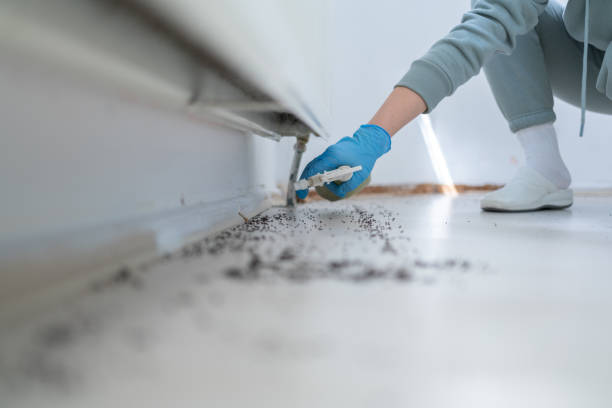
3. Seal Entry Points:
Tiny openings provide easy access for pests.
Inspect and Seal:
- Wall cracks
- Door gaps
- Window frames
- Pipe openings
- Utility cable holes
- Ventilation gaps
Weather stripping and silicone sealants work well for most openings.

4. Store Food Properly:
Food is the primary reason pests remain indoors.
Always:
- Store grains in airtight containers
- Refrigerate leftovers
- Clean kitchen counters
- Avoid leaving fruits exposed
- Seal snack packets tightly
Proper food storage significantly reduces ant and cockroach problems.

5. Clean the Kitchen Every Day
The kitchen is the most attractive location for pests.
Daily cleaning should include:
- Wiping countertops
- Cleaning under appliances
- Sweeping crumbs
- Mopping greasy floors
- Washing dishes promptly
Never leave dirty dishes overnight.
(Also Read: What Are The Effects Of Not Having Sex On Your Body?)
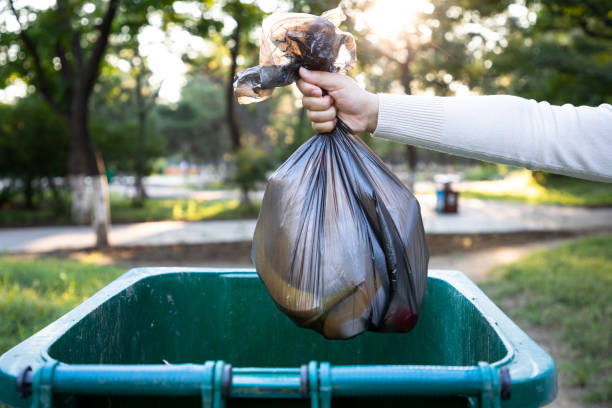
6. Dispose of Garbage Regularly
Overflowing bins become breeding grounds for flies and cockroaches.
Best practices include:
- Use bins with tight lids
- Separate wet and dry waste
- Empty bins daily
- Wash bins weekly
- Keep garbage areas clean
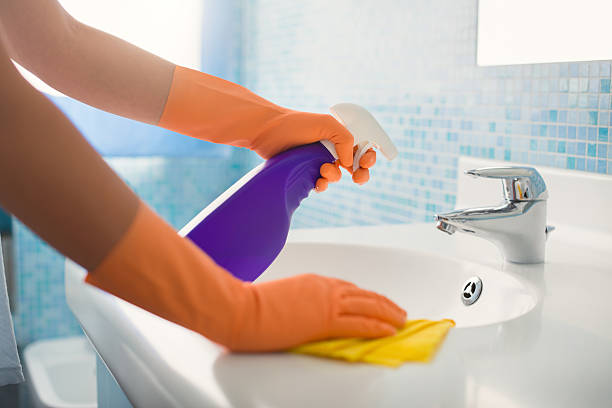
7. Maintain Bathrooms:
Bathrooms remain damp for long periods.
Prevent pest activity by:
- Cleaning drains regularly
- Removing soap residue
- Keeping floors dry
- Fixing leaks
- Using disinfectants

8. Protect Wooden Furniture
Humidity can encourage termite infestations.
Protect wooden items by:
- Polishing furniture
- Keeping it dry
- Avoiding direct contact with damp walls
- Inspecting for hollow sounds or mud tubes
Early detection prevents expensive repairs.

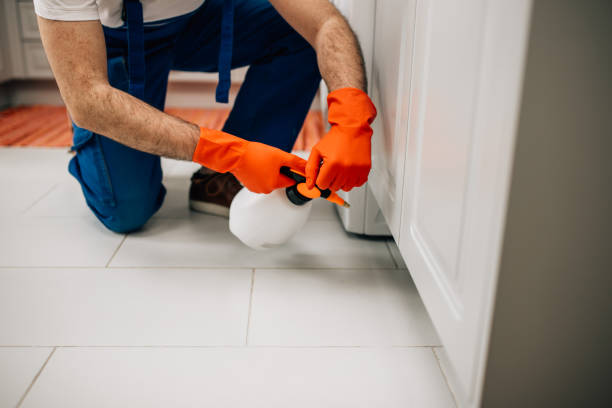
9. Keep Gardens Well Maintained:
Outdoor areas often become breeding grounds.
Trim:
- Bushes
- Tall grass
- Overgrown shrubs
Remove:
- Fallen leaves
- Water-filled containers
- Garden debris
Healthy landscaping reduces pest populations.
(Also Read: Sex Life VS Corona Virus | Sex Guide In Corona Pandemic)
10. Use Natural Pest Repellents:
Many natural ingredients help repel insects without harsh chemicals.
Popular options include:
- Neem oil spray
- Peppermint oil
- Citronella candles
- Lavender oil
- Lemon and clove combinations
- Camphor
- Eucalyptus oil
While natural remedies may not eliminate severe infestations, they can discourage pests and complement preventive measures.
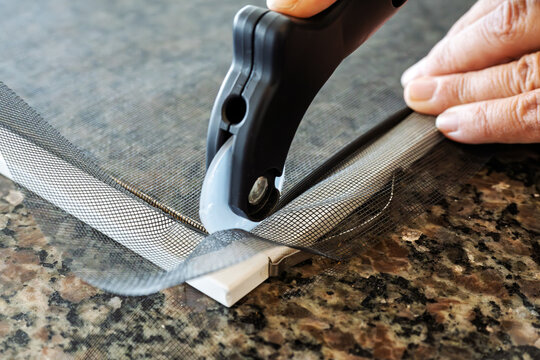
11. Install Mesh Screens:
Window and door screens provide a simple yet effective barrier.
Ensure screens are:
- Free of tears
- Properly fitted
- Cleaned regularly
Mesh screens allow fresh air while reducing mosquito and fly entry.

12. Deep Clean Storage Areas
Storerooms often go unnoticed for months.
Inspect regularly:
- Cardboard boxes
- Closets
- Under beds
- Loft storage
- Shoe racks
Vacuum dust and remove clutter to eliminate hiding places.
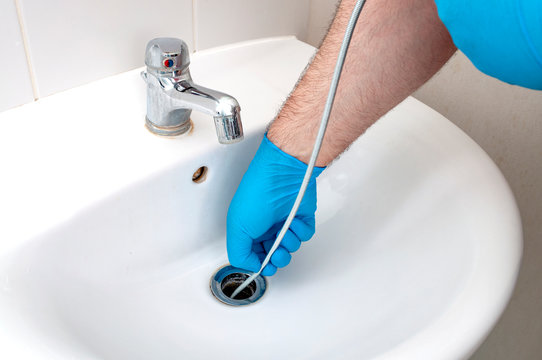
13. Keep Drains Clean:
Blocked drains attract cockroaches and flies.
Use:
- Hot water flushing
- Baking soda and vinegar
- Drain cleaners (as directed)
- Drain covers
Regular maintenance helps prevent foul odors and pest activity.

14. Declutter Your Home:
Clutter provides ideal hiding spots.
Reduce unnecessary:
- Newspapers
- Cardboard boxes
- Old clothes
- Broken furniture
- Paper piles
An organized home is easier to inspect and clean.

15. Schedule Professional Pest Control
Even with excellent housekeeping, some infestations require expert intervention.
Professional pest control can help with:
- Termites
- Rodents
- Severe cockroach infestations
- Bed bugs
- Recurring ant colonies
Annual preventive treatments are often more affordable than repairing pest-related damage later.
(Also Read: Is It Safe To Have Sex In Corona Virus Pandemic Situation?)
Final Thoughts:
Monsoon should be a season of comfort and renewal—not one filled with buzzing mosquitoes, crawling cockroaches, or destructive termites. The key to a pest-free home lies in prevention. By keeping your home clean, dry, and well-maintained, sealing potential entry points, storing food correctly, managing waste responsibly, and addressing moisture issues promptly, you can dramatically reduce the likelihood of infestations.
Regular inspections and timely action are just as important as daily cleaning. Pay close attention to areas that often go unnoticed, such as drains, storage rooms, balconies, and wooden furniture. If you notice signs of persistent pest activity despite your efforts, don’t hesitate to seek professional assistance before the problem escalates.
FAQs:
Q. How often should pest control be done during monsoon?
A. For most homes, an annual preventive treatment is sufficient. If you live in a high-risk area or have recurring issues, a six-month schedule may be more effective.
Q. What attracts cockroaches the most?
A. Moisture, food crumbs, grease, garbage, and clutter are the biggest attractants.
Q. Are natural remedies enough?
A. Natural remedies work well for prevention and minor pest activity. Established infestations often require professional treatment.
Q. How can I stop mosquitoes from breeding?
A. Remove stagnant water, clean drains, cover water storage containers, and empty outdoor water-holding items regularly.
Q. Can termites damage concrete houses?
A. Although termites do not eat concrete, they can travel through tiny cracks to reach wooden doors, cabinets, furniture, and other cellulose-based materials inside the home.

You May Also Like
Effective Homemade Pest Repe ...
30 June 2026
From Ants to Mosquitoes: Hom ...
30 May 2026

How Hygiene Affects Attracti ...
15 June 2025
About Us

Hygiene means the way to stay healthy. It is not only important for physical but also mental health, because it directly affects your mind and brain.


Leave a Comment