


Winter is a season when the body needs extra warmth, energy, and immunity support. Dry fruits have been valued for centuries as ideal winter foods because they are nutrient-dense, naturally warming, and easy to store. Rich in healthy fats, proteins, vitamins, and minerals, dry fruits help maintain energy levels and protect the body from seasonal illnesses. So, let’s know more about dry fruits for winters.
Table of Contents
Why Dry Fruits Are Ideal for Winter:
During winter, metabolism often slows down and the body burns more energy to stay warm. Dry fruits provide concentrated nutrition and calories, making them perfect for colder months. Many dry fruits also have warming properties that help improve blood circulation and keep the body comfortable in low temperatures.
(Also Read: 15 Winter Foods For Immunity Boosting)
Best Dry Fruits For Winters:
Dry fruits are an excellent winter superfood, providing warmth, energy, and essential nutrients. Rich in healthy fats, vitamins, minerals, and antioxidants, they help strengthen immunity, improve digestion, and fight cold-weather fatigue. Regular consumption of dry fruits supports overall health and keeps the body nourished during winter.
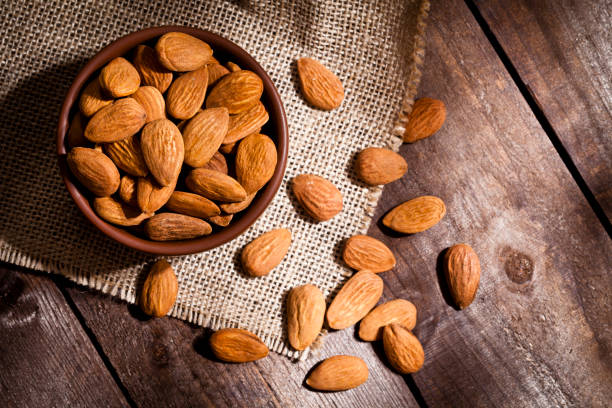
Almonds:
Almonds are rich in vitamin E, healthy fats, and protein. They support brain health, improve memory, and strengthen immunity. Soaked almonds are especially beneficial as they improve digestion and nutrient absorption.
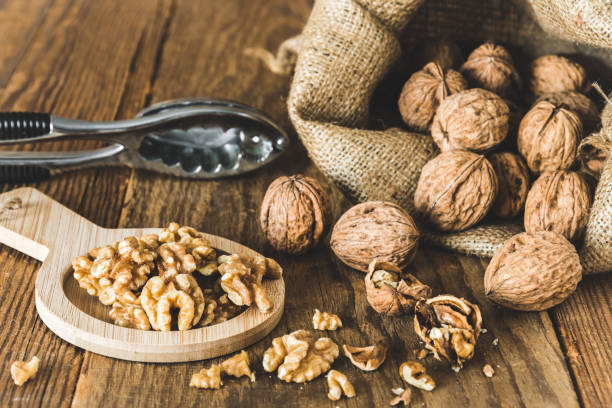
Walnuts:
Walnuts are excellent for heart and brain health due to their omega-3 fatty acids. They help keep the body warm, improve focus, and support healthy skin during dry winter months.
Walnuts are a rich source of vitamin C, B vitamins, vitamin E, as well as minerals such as calcium, iron, magnesium, potassium, sodium, and zinc. Walnuts contain essential fatty acids and produce an oil known for its rich anti-aging properties. This helps in taking care of your skin during winter and prevents dryness.
(Also Read: 30 Best Foods For Anemia Patients Should Include To Diet)

Peanuts:
Peanuts are similar to walnuts and almonds in taste and nutritional value. Peanuts are very beneficial due to their properties. They contain many nutrients such as manganese, niacin, vitamin E, folate, fiber, and phosphorus.
Peanuts are rich in antioxidants. After cooking, the amount of genistein increases fourfold, and the antioxidant called biochanin-A doubles. These antioxidants help prevent skin problems that occur during the cold weather.
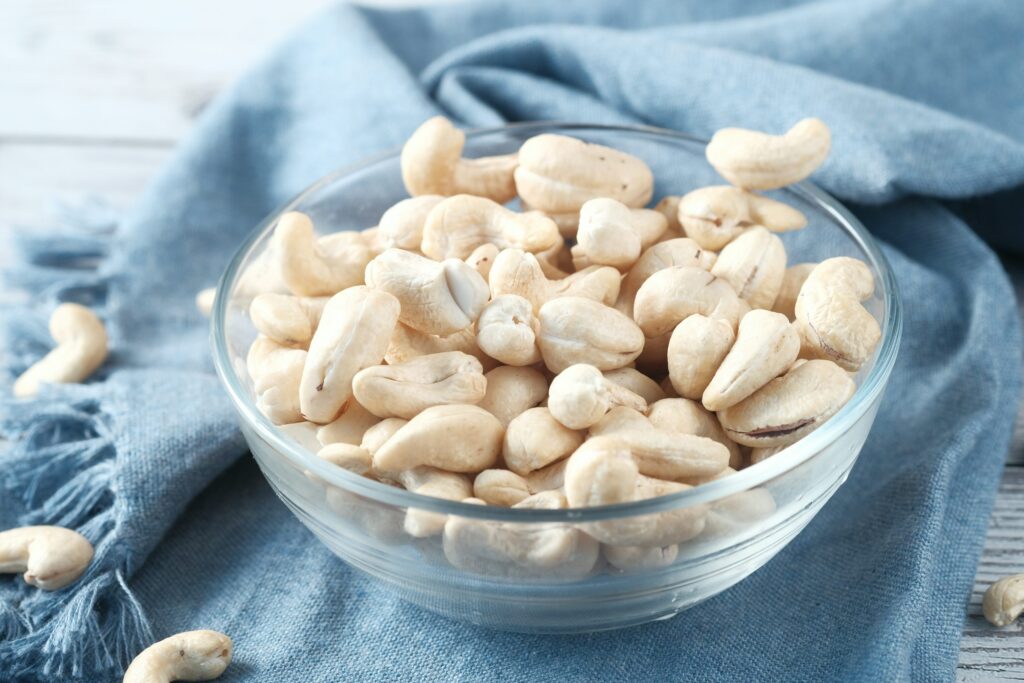
Cashews:
Cashews provide energy, iron, and magnesium. They help fight fatigue and support bone strength, making them useful during winter when physical activity may decrease.
Cashews are a healthy and warming dry fruit ideal for winter consumption. Rich in healthy fats, protein, and essential minerals like magnesium and zinc, they help boost immunity and maintain body warmth. Cashews provide sustained energy, support brain health, and improve heart function, making them a nourishing winter snack.
(Also Read: 21 Best And Effective Foods For Glowing Skin)
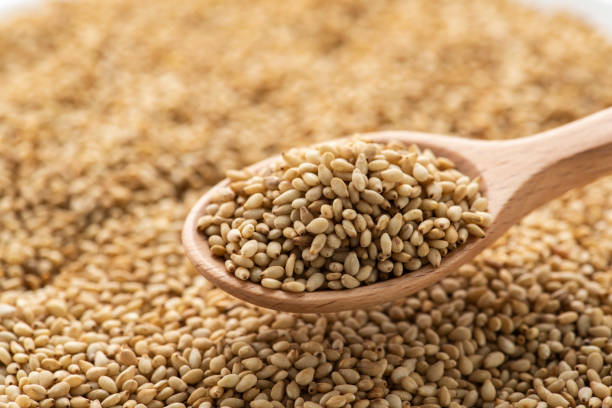
Sesame Seeds:
Sesame seeds contain nutrients such as vitamin B6, calcium, phosphorus, protein, and fiber. The benefits of sesame seeds include lowering cholesterol, reducing wrinkles, lowering blood pressure, and helping to prevent skin cancer. In winter, sesame seeds can be consumed in the form of ladoos (sweet balls) or added to salads. They boost your immunity and protect you from illnesses common during the cold season.

Raisins:
Raisins are rich in iron and natural sugars, which help maintain body heat and prevent anemia. They also aid digestion and relieve constipation, a common winter issue.
Raisins are a nutritious dried fruit packed with iron, fiber, and antioxidants. They help improve digestion, boost energy levels, and support healthy blood circulation. Regular consumption of raisins strengthens immunity, improves skin health, and provides natural warmth, making them especially beneficial during colder months.
(Also Read: 9 Best Foods To Increase Sperm Count)

Dates:
Dates are high in natural sugars, fiber, and minerals like potassium. They provide instant energy and help keep the body warm, making them ideal for cold mornings.
Eating dates in winter provides natural warmth and instant energy due to their high natural sugar content. They are rich in iron, fiber, and antioxidants, which help boost immunity, improve digestion, and fight seasonal fatigue. Dates also support heart health and keep the body energized during cold weather.
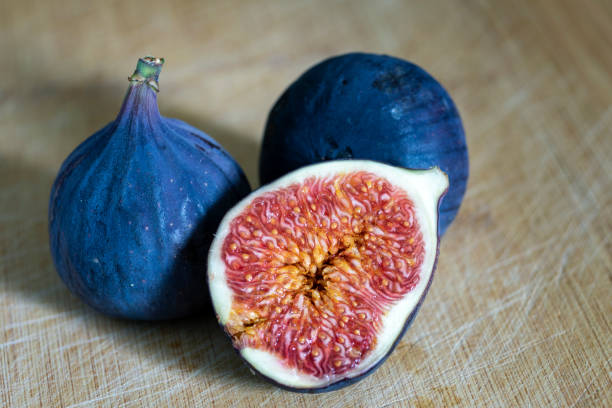
Figs:
Dried figs support digestion, boost immunity, and help maintain body warmth. They are also beneficial for respiratory health during winter. Figs are a nutritious and comforting fruit to include in the winter diet. Rich in dietary fiber, they help improve digestion, which often slows down in colder months. Figs are also packed with essential minerals like calcium, iron, potassium, and magnesium that support bone health and boost energy levels.
Their natural sugars provide warmth and quick energy, making them ideal for winter mornings. Dried figs, commonly consumed in winter, help strengthen immunity and relieve constipation. They are also known to support heart health and keep the body nourished and warm during the cold season.
(Also Read: 15 Best Pre-workout Meals For More Stamina)
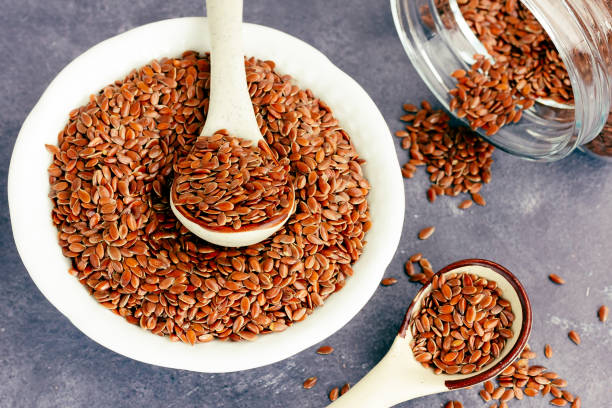
Flaxseeds:
Consuming flaxseeds is especially beneficial during the winter months because they have a warming effect on the body. They contain approximately 50% omega-3 fatty acids, in the form of alpha-linolenic acid. This essential fatty acid is not produced by the body and must be obtained through diet. Flaxseeds are extremely helpful in ensuring the proper functioning of the stomach, heart, and circulatory system. In addition, flaxseeds also help prevent dry skin.
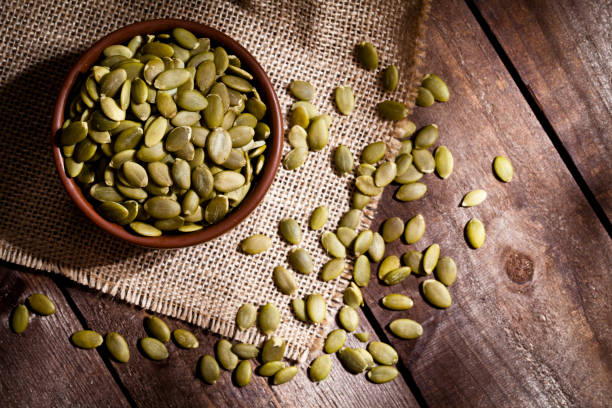
Pumpkin Seeds:
Pumpkin seeds can be considered a nutritional powerhouse, as they are a treasure trove of various nutrients. They contain manganese, magnesium, phosphorus, copper, zinc, iron, and protein, along with vitamins E, K, C, and B vitamins. Consuming them is important in winter for boosting the immune system, promoting cell growth, improving sleep, and maintaining healthy skin.
(Also Read: 14 Best Vegetables For Pregnant Women)

Chia Seeds:
Chia seeds are one of the most nutritious foods. They are rich in fiber, protein, omega-3 fatty acids, and a variety of micronutrients. Chia seeds contain more calcium than a glass of milk, more omega-3 than a walnut, and numerous antioxidants that provide you with a significant energy boost.
Regular consumption of chia seeds helps prevent skin inflammation and premature aging. Including them in your diet, especially during the winter months, can help address many skin-related problems.
Health Benefits of Dry Fruits For Winters:
Dry fruits play an important role in maintaining good health during the winter season. As temperatures drop, the body needs extra energy and nutrients to stay warm and fight seasonal illnesses. Dry fruits such as almonds, walnuts, cashews, raisins, dates, and figs are packed with essential vitamins, minerals, healthy fats, and antioxidants that support overall well-being.
Provide Warmth and Energy:
Dry fruits are rich in healthy fats, natural sugars, and calories that help generate body heat during cold weather. Consuming almonds, cashews, dates, and walnuts provides instant and long-lasting energy, keeping the body active and warm throughout winter days.
(Also Read: 20 Best Zinc Rich Foods To Boost Immunity)
Boost Immunity:
Winter often brings seasonal infections like colds and flu. Dry fruits contain antioxidants, vitamin E, zinc, and iron that strengthen the immune system. Regular intake helps the body fight infections and improves overall resistance to illnesses.
Improve Digestion:
Digestive issues are common in winter due to slower metabolism. Fiber-rich dry fruits such as raisins and figs support healthy digestion, prevent constipation, and promote smooth bowel movements. They also help maintain gut health.
Support Heart Health:
Dry fruits are beneficial for heart health as they contain omega-3 fatty acids, potassium, and healthy fats. Walnuts and almonds help lower bad cholesterol levels, improve blood circulation, and reduce the risk of heart-related problems.
(Also Read: 15 Top Oxygen Rich Foods To Increase Oxygen)
Strengthen Bones and Muscles:
Dry fruits provide essential minerals like calcium, magnesium, and phosphorus that help maintain strong bones and joints. Protein-rich options such as almonds and cashews support muscle strength, which is important during colder months.
Improve Skin and Hair Health:
Cold weather can make skin dry and dull. Dry fruits contain healthy fats, antioxidants, and vitamins that nourish the skin, improve glow, and reduce dryness. They also strengthen hair roots and prevent hair fall.
Help Manage Weight:
Despite being calorie-dense, dry fruits help control hunger by keeping you full for longer. When consumed in moderation, they prevent overeating and support healthy weight management in winter.
(Also Read: Foods To Correct Hormonal Imbalance In Women)
Enhance Overall Well-Being:
Including dry fruits in the winter diet improves energy levels, mental alertness, and overall health. Their nutrient-rich profile makes them an essential part of a balanced winter diet.
How to Consume Dry Fruits in Winter
Dry fruits can be eaten raw, soaked overnight, or added to warm milk, porridge, and desserts. They can also be used in traditional winter recipes like laddoos, halwa, and kheer. Consuming them in moderation is important, as they are calorie-dense.
Conclusion:
Dry fruits are a natural and powerful winter food that supports overall health and well-being. When eaten in the right quantity, they provide warmth, nutrition, and protection against seasonal illnesses. Including a variety of dry fruits in the winter diet helps maintain energy, immunity, and balance throughout the cold season.

You May Also Like

Best Juices For Constipation ...
15 May 2026

Fruits For Glowing Skin: Nat ...
15 April 2026

Eating Raw Onions in Summer: ...
15 March 2026
About Us

Hygiene means the way to stay healthy. It is not only important for physical but also mental health, because it directly affects your mind and brain.


Leave a Comment