

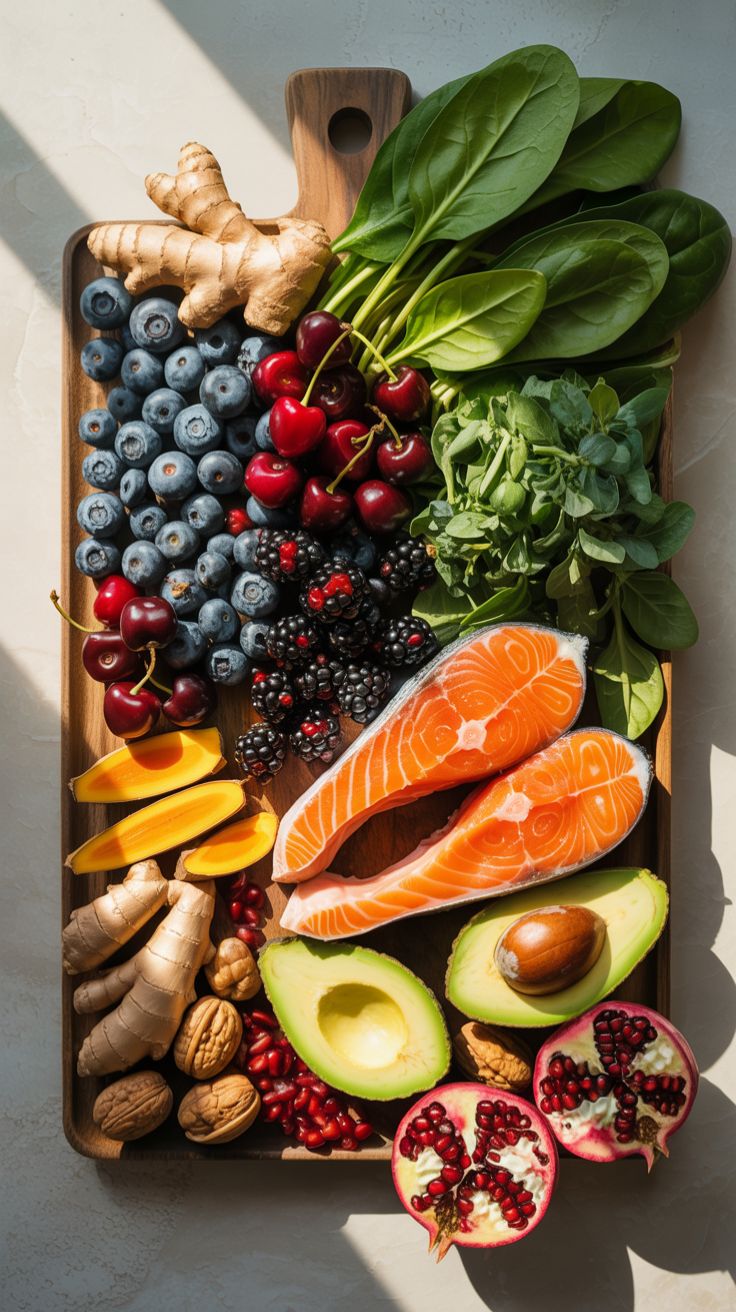
Inflammation is a natural defense mechanism of the body that helps fight infections, injuries, and toxins. However, when inflammation becomes chronic, it can silently damage tissues and increase the risk of serious health problems such as heart disease, diabetes, arthritis, obesity, and autoimmune disorders. Including anti-inflammatory foods in your daily diet is one of the most effective and natural ways to reduce inflammation and protect long-term health.
Table of Contents
What Are Anti-Inflammatory Foods?
Anti-inflammatory foods are natural foods rich in antioxidants, healthy fats, fiber, vitamins, and minerals that help lower inflammation in the body. These foods work by neutralizing free radicals, supporting gut health, balancing blood sugar levels, and regulating the immune response.
(Also Read: 15 Winter Foods For Immunity Boosting)
Why Inflammation Becomes Harmful?
Short-term inflammation is helpful, but chronic inflammation can be triggered by:
-
Poor diet, high in sugar and processed foods
-
Lack of physical activity
-
Chronic stress and poor sleep
-
Smoking and excessive alcohol consumption
-
Environmental toxins
Over time, chronic inflammation weakens immunity and contributes to many lifestyle-related diseases.
(Also Read: Indian Herbs And Spices To Boost Immunity)
Why Anti-Inflammatory Foods Are Important?
Swelling in the body can have many causes, such as anemia, stomach or liver problems, potassium deficiency, or excess water retention. Stress, inflammatory foods, and low activity can further increase this risk. However, studies show that certain anti-inflammatory foods can reduce inflammation.
1. Reduce the Risk of Chronic Diseases:
Anti-inflammatory foods help lower markers of inflammation in the body, reducing the risk of heart disease, stroke, type 2 diabetes, cancer, and neurodegenerative disorders.
2. Support a Healthy Immune System:
These foods strengthen immune function by providing essential nutrients that help the body respond effectively to infections without triggering excessive inflammation.
3. Improve Digestive and Gut Health:
Many anti-inflammatory foods are rich in fiber and probiotics, which nourish gut bacteria. A healthy gut plays a key role in controlling inflammation throughout the body.
4. Promote Healthy Aging:
Chronic inflammation accelerates aging. Anti-inflammatory foods help protect cells, support joint health, and maintain brain function as you age.
5. Help Manage Pain and Joint Health:
For people with arthritis or muscle pain, anti-inflammatory foods can help reduce stiffness, swelling, and discomfort naturally.
(Also Read: Summer Dry Fruits To Keep Body Cool)
Why You Should Eat Anti-Inflammatory Foods Daily:
Eating anti-inflammatory foods regularly helps the body stay balanced and resilient. These foods:
-
Prevent inflammation before it becomes chronic
-
Support natural detoxification
-
Improve energy levels and mental clarity
-
Enhance skin health and hormonal balance
-
Promote sustainable weight management
A diet rich in anti-inflammatory foods is not a short-term fix but a long-term lifestyle approach to better health.
(Also Read: 18 Top Sex Drive Foods To Boost Sex Life)
11 Top Anti-Inflammatory Foods to Include in Your Diet:
To avoid inflammation, you need to stay physically active. Regularly including certain foods in your diet can also reduce inflammation. Choosing the right anti-inflammatory foods may help reduce your risk of inflammation. Here are some anti-inflammatory foods that can help reduce inflammation.
1. Turmeric:
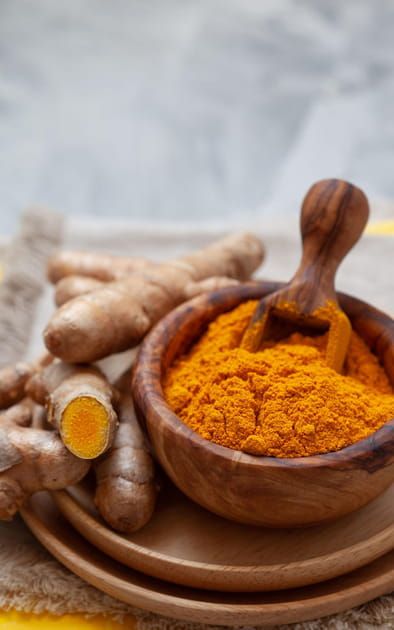
Turmeric is a spice with a strong, earthy flavor that is often used in curries and other Indian dishes. It is known for its potent anti-inflammatory nutrient, curcumin, which helps fight inflammation.
Turmeric reduces inflammation associated with arthritis, diabetes, and other diseases. In fact, taking 1 gram of curcumin daily in combination with piperine from black pepper significantly reduced the inflammatory marker CRP in people with metabolic syndrome.
However, it may be difficult to obtain enough curcumin to experience noticeable effects from turmeric alone.
In one study, overweight women consuming 2.8 grams of turmeric per day did not see any improvement in inflammatory markers.
2. Extra Virgin Olive Oil:
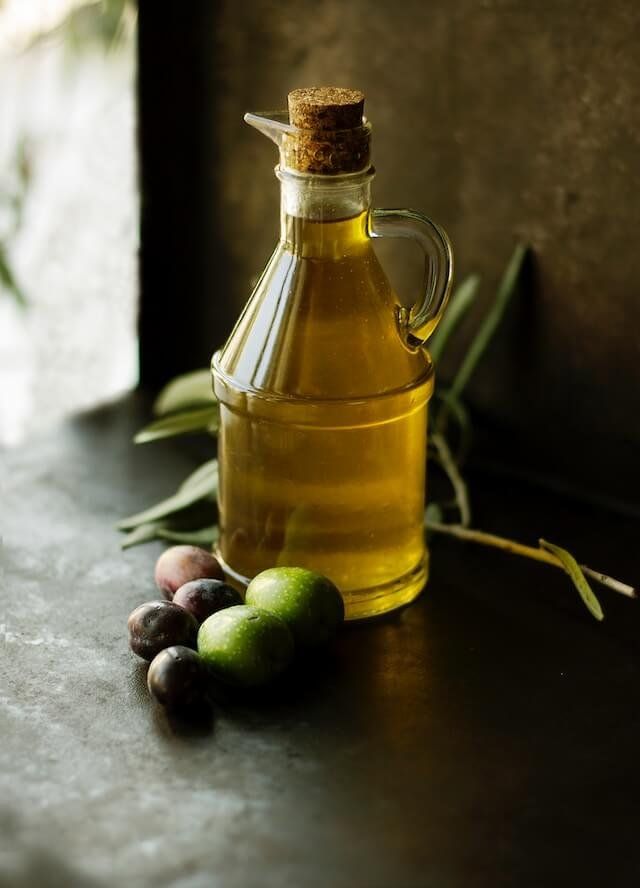
Extra virgin olive oil is one of the healthiest fats you can eat. It’s rich in monounsaturated fats and is a staple of the Mediterranean diet, which offers numerous health benefits.
Studies suggest that extra virgin olive oil is beneficial for reducing the risk of heart disease, brain cancer, and other serious health conditions.
In one study on the Mediterranean diet, CRP and several other inflammatory markers were significantly reduced in people who consumed 1.7 ounces (50 ml) of olive oil daily.
The effects of oleocanthal, an antioxidant found in olive oil, have been compared to those of anti-inflammatory drugs like ibuprofen. Keep in mind that extra virgin olive oil offers more anti-inflammatory benefits than more refined olive oils.
(Also Read: 30 Best Foods For Anemia Patients Should Include To Diet)
3. Grapes:

Grapes contain anthocyanins, which reduce inflammation. In addition, they may reduce the risk of several diseases, including heart disease, diabetes, obesity, Alzheimer’s, and eye disorders.
Grapes are also one of the best sources of resveratrol, a compound that has numerous health benefits. In one study, people with heart disease who consumed grape extract daily experienced a reduction in inflammatory gene markers, including NF-κB.
Consuming grape juice also increased their levels of adiponectin. Low levels of this hormone are associated with weight gain and an increased risk of cancer.
4. Dark Chocolate and Cocoa:
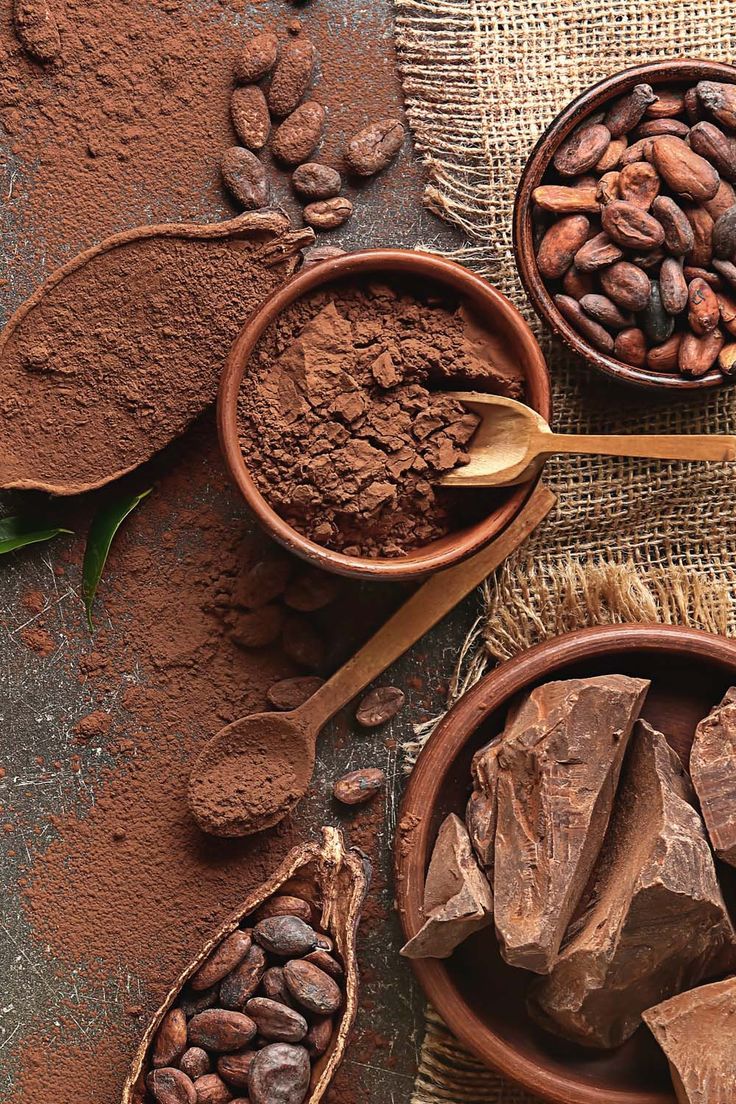
Dark chocolate is delicious, rich, and satisfying. It also contains antioxidants that reduce inflammation. These may lower your risk of disease and reduce the signs of aging. Flavanols are responsible for chocolate’s anti-inflammatory effects and help maintain endothelial cells, which keep your arteries healthy.
In one study, smokers experienced significant improvements in endothelial function within 2 hours of eating high-flavanol chocolate.
However, be sure to choose dark chocolate that contains at least 70% cocoa, a higher percentage is even better for reaping these anti-inflammatory benefits.
(Also Read: 21 Best And Effective Foods For Glowing Skin)
5. Avocado:
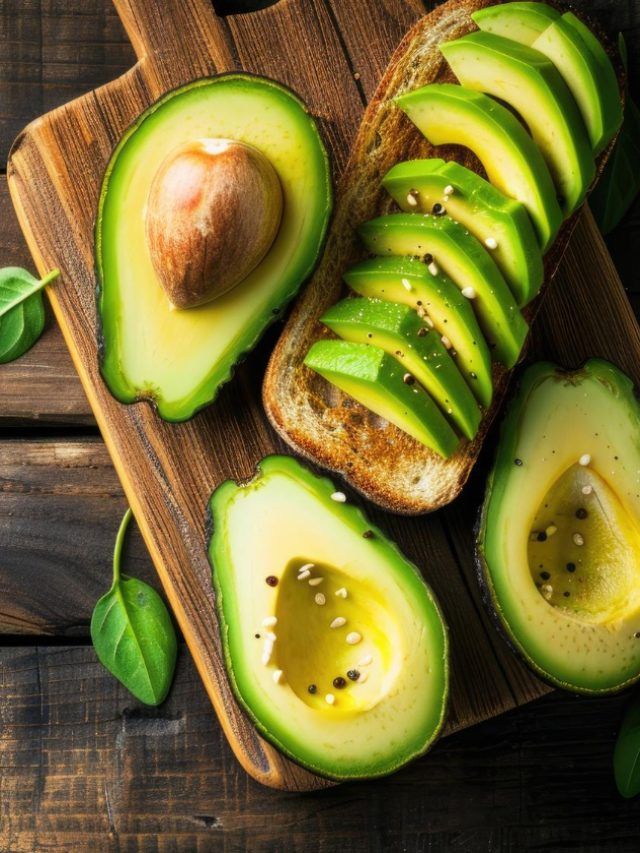
Avocado may be one of the best anti-inflammatory superfoods, protecting your body from inflammation-related diseases. They are rich in potassium, magnesium, fiber, and healthy monounsaturated fats, which are considered good for the heart.
They also contain carotenoids and tocopherols, which are associated with a lower risk of cancer. In addition, a compound in avocados may reduce inflammation in young skin cells.
In one study, when people ate a slice of avocado with a hamburger, they had lower levels of inflammatory NF-kB and IL-6 compared to participants who ate the hamburger alone.
6. Tomatoes:
A staple in many households, the tomato is a nutrient-rich vegetable. Tomatoes are high in vitamin C, potassium, and lycopene, an antioxidant that helps reduce inflammation.
Lycopene may be particularly beneficial for reducing inflammation related to several types of cancer. One study showed that drinking tomato juice reduced inflammation in overweight women but not in those with obesity.
Note that cooking tomatoes in olive oil may maximize the amount of lycopene you absorb. This is because lycopene is a carotenoid, a nutrient that is better absorbed with a source of fat.
(Also Read: 9 Best Foods To Increase Sperm Count)
7. Green Tea:
You’ve probably heard that green tea is one of the healthiest beverages you can drink. It may reduce your risk of heart disease, cancer, Alzheimer’s disease, obesity, and other health conditions.
Many of its benefits are due to its antioxidant and anti-inflammatory properties, particularly a substance called epigallocatechin-3-gallate (EGCG).
EGCG inhibits inflammation in your cells by reducing fatty acid production and damage from pro-inflammatory cytokines.
8. Broccoli:
Broccoli is incredibly nutritious. Along with cauliflower, Brussels sprouts, and kale, it is also a delicious vegetable. Research has shown that eating plenty of cruciferous vegetables reduces the risk of heart disease and cancer.
This may be related to the antioxidants and anti-inflammatory effects they contain.
Broccoli is rich in sulforaphane, an antioxidant that fights inflammation by reducing levels of cytokines and NF-kB, which trigger inflammation.
(Also Read: 15 Best Pre-workout Meals For More Stamina)
9. Peppers:
Bell peppers and chili peppers contain vitamin C and antioxidants that have powerful anti-inflammatory effects that help reduce inflammation. Bell peppers provide the antioxidant quercetin, which may reduce levels of sarcoidosis in people with this inflammatory disease.
Chili peppers and bell peppers have strong anti-inflammatory effects with quercetin, sinapic acid, ferulic acid, and other antioxidants that help reduce inflammation.
10. Mushrooms:
While thousands of varieties of mushrooms exist worldwide, only a few are edible and commercially cultivated. These include truffles, portobello mushrooms, and shiitake mushrooms. Mushrooms are very low in calories and rich in selenium, copper, and all the B vitamins.
They also contain phenols and other antioxidants that provide anti-inflammatory protection and help reduce inflammation. One particular type of mushroom called lion’s mane may reduce low-grade, obesity-related inflammation.
However, one study found that heating mushrooms during cooking significantly reduced their anti-inflammatory compounds. Therefore, it’s best to eat them raw or lightly cooked.
(Also Read: 14 Best Vegetables For Pregnant Women)
11. Fatty Fish:
Body inflammation can also be reduced by eating fatty fish. Oily or fatty fish are a great source of protein and also contain omega-3 fatty acids EPA and DHA, which significantly reduce inflammation in the body. These fatty acids help prevent inflammation.
While all types of fish contain some amount of omega-3 fatty acids, these fatty fish are among the best sources:
- Salmon
- Sardines
- Herring
- Mackerel
- Anchovies
EPA and DHA reduce inflammation, and their deficiency can lead to metabolic syndrome, heart disease, diabetes, and kidney disease. Your body metabolizes these fatty acids into compounds called resolvins and protectins, which have anti-inflammatory effects.
Studies have found that people who consume salmon or EPA and DHA supplements have lower levels of the inflammatory marker C-reactive protein (CRP). You should consume fish several days a week. If you don’t eat fish, you can also take omega-3 fatty acid supplements.
Foods That Increase Inflammation:
In addition to incorporating nutritious, anti-inflammatory foods into your diet, it’s important to limit foods that can promote inflammation.
For example, processed foods like fast food and processed meats are associated with higher levels of inflammatory markers such as CRP.
Meanwhile, fried foods and partially hydrogenated oils contain trans fats, a type of unsaturated fatty acid that has been linked to increased levels of inflammation.
Other foods, such as sugar-sweetened beverages and refined carbs, have similarly been shown to promote inflammation.
Here are some examples of foods that are associated with increased levels of inflammation:
- Junk foods: Fast food, potato chips, pretzels
- Refined carbohydrates: White bread, pasta, white rice, biscuits
- Fried foods: French fries, donuts, fried chicken, mozzarella sticks, egg rolls
- Sugar-sweetened beverages: Soda, sweet tea, energy drinks, sports drinks
- Processed meats: Bacon, beef jerky, canned meats, salami, hot dogs, smoked meats
- Trans fats: Partially hydrogenated vegetable oils, margarine
(Also Read: 20 Best Zinc Rich Foods To Boost Immunity)
FAQs
Q. What causes chronic inflammation in the body?
A. Chronic inflammation is caused by poor diet, stress, lack of exercise, obesity, smoking, poor sleep, and long-term exposure to toxins.
Q. Can anti-inflammatory foods replace medication?
A. Anti-inflammatory foods support overall health but should not replace prescribed medication. Always consult a healthcare professional for medical conditions.
Q. How long does it take to see results from an anti-inflammatory diet?
A. Many people notice improvements in digestion, energy, and pain levels within a few weeks of consistent healthy eating.
Q. Are anti-inflammatory foods good for weight loss?
A. Yes, they help regulate blood sugar, reduce cravings, and improve metabolism, supporting healthy weight management.
Q. Can everyone follow an anti-inflammatory diet?
A. Yes, it is generally safe and beneficial for most people, as it focuses on whole, natural foods.
Conclusion:
Anti-inflammatory foods play a crucial role in protecting the body from chronic inflammation and lifestyle diseases. By choosing a diet rich in fruits, vegetables, healthy fats, whole grains, and natural spices, you nourish your body, strengthen immunity, and promote long-term wellness. Making anti-inflammatory foods a regular part of your meals is a simple yet powerful step toward a healthier life.

You May Also Like
Best Juices For Constipation ...
15 May 2026
Fruits For Glowing Skin: Nat ...
15 April 2026

Eating Raw Onions in Summer: ...
15 March 2026
About Us

Hygiene means the way to stay healthy. It is not only important for physical but also mental health, because it directly affects your mind and brain.


Leave a Comment