


Hygiene strongly influences attraction because it affects comfort, health, and first impressions. Hygiene turn-ons often include fresh breath, clean hair, neat clothing, and a subtle, pleasant scent, all of which signal self-care and respect for others. Turn-offs commonly involve body odor, dirty nails, greasy hair, or poor oral hygiene, which can create discomfort or distraction. These reactions are not about perfection, but about effort and awareness. Good hygiene helps people feel confident and approachable, while poor hygiene can unintentionally push others away. Understanding hygiene turn ons and turn offs highlights how everyday habits shape social and romantic connections over time and contexts.
(Also Read: 15 Top Trust Building Tips for Couples: A Detailed Guide to Strengthening Your Relationship)
Table of Contents
What Are Hygiene Turn Ons and Turn Offs?
Hygiene turn-ons are habits or traits related to cleanliness and grooming that increase someone’s attractiveness or social appeal. These can make the other person feel comfortable, respected, and drawn to you.
Conversely, hygiene turn-offs are behaviors or signs of poor hygiene such as bad breath, body odor, or unwashed clothes — that reduce comfort and attraction, and can even spark feelings of disgust or avoidance.
Common Hygiene Turn-Ons:
Here are hygiene habits that many people find attractive and appealing:
1. Fresh, Clean Scent:
Pleasant body scent and the absence of noticeable body odor make you more approachable and comfortable to be around. A neat and subtle fragrance (not overpowering perfume) often adds to attractiveness.
2. Clean Breath and Healthy Mouth:
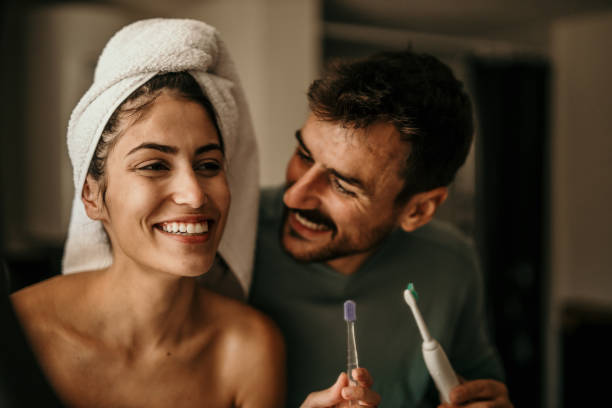
Fresh breath — maintained by brushing, flossing, and possibly mouthwash — makes conversations and intimacy more pleasant. Bad breath is frequently cited as a significant turn-off.
3. Well-Groomed Appearance:
Showered body, styled hair, trimmed nails, and general grooming signal that a person cares about their appearance and self-respect, which others find appealing.
4. Neat Dressing and Clean Clothes:
Clothes that are clean and appropriately worn show effort and self-respect — traits many people find attractive.
5. Good Overall Cleanliness:
Regular bathing, handwashing, and basic grooming habits contribute to a general aura of neatness and self-care, which is widely valued in social and dating contexts.
(Also Read: Healthy Relationship Habits: Foundations for Lasting Love)

Common Hygiene Turn-Offs:
These are hygiene-related behaviors that often make people uncomfortable, less attracted, or even repelled:
1. Body Odor:
Noticeable body smell — especially persistent unpleasant scent — is one of the most common hygiene turn-offs and can directly affect physical attraction.
2. Bad Breath:
Halitosis can create discomfort during conversations and intimate moments. It’s often mentioned as a relationship deal-breaker.
3. Dirty or Unkempt Nails:
Long, grimy fingernails are visually unappealing and suggest neglect of basic grooming.
4. Neglecting Showering and Grooming:
Skipping showers, having greasy hair, or generally appearing unwashed signals laziness or lack of self-care, which can reduce attraction.
5. Unclean Environment or Personal Items:
Dirty clothes, unkempt living spaces, or visibly untidy personal items can be subconsciously linked to personal hygiene and have social turn-off effects.
6. Poor Hand Hygiene:
Not washing hands after bathroom use or before meals — or having visibly dirty hands — is off-putting to others.
7. Overpowering Smell:
On the flip side, excessively strong perfume or cologne can overwhelm the senses and be just as off-putting as bad body odor.
(Also Read: Grooming Tips for Romantic Partners)

Why Hygiene Matters in Social and Romantic Life:
Hygiene plays a crucial role in social and romantic life because it directly affects how we feel about ourselves and how others perceive us. Good hygiene helps maintain a clean, healthy body, which boosts confidence and makes social interactions more comfortable. When people take care of their personal cleanliness—such as bathing regularly, wearing clean clothes, and maintaining oral hygiene—it shows self-respect and consideration for others.
In social and romantic settings, hygiene can influence first impressions and ongoing relationships. Pleasant appearance and fresh smell can make interactions more enjoyable, while poor hygiene may create discomfort or distance, even if unintentionally. Beyond appearance, good hygiene also helps prevent illness, allowing people to spend time together without unnecessary health concerns. Overall, practicing good hygiene supports positive connections, mutual respect, and stronger social and romantic relationships.
(Also Read: Personal Care for Better Intimacy: A Complete Guide for a Healthier Connection)
1. Signals Self-Respect and Care:
Good hygiene reflects that a person values themselves and others. It shows they take care of their body and respect social norms — qualities widely seen as attractive.
2. Reduces Discomfort and Avoidance:
Unpleasant smells, visible dirt, or sloppiness can trigger discomfort or avoidance reactions in others, affecting interactions negatively.
3. Impacts Health and Confidence:
Maintaining hygiene has real health benefits — preventing infections and disease — and boosts confidence, which in turn enhances charm and appeal.
4. Affects Intimacy and Relationships:
In romantic contexts, hygiene directly affects desire, comfort, and closeness. Poor hygiene is frequently noted as a deal-breaker in relationships.
(Also Read: The Importance of Hygiene in Relationships: A Comprehensive Guide)
Practical Tips to Maximize Hygiene Turn-Ons
If you want to improve your hygiene attractiveness, here are simple everyday practices:
-
Shower regularly and use light, pleasant body products.
-
Brush, floss, and rinse daily for fresh breath.
-
Wash and style hair appropriately for your hair type.
-
Trim nails and keep hands clean.
-
Wear clean clothes suited to the occasion.
-
Be mindful of odors — not just body odor, but also overly strong fragrances.
Consistent hygiene habits not only help you look better but also make social interactions more pleasant and attractive.
(Also Read: The Ultimate Guide to Hygiene and Dating Etiquette for Men)
FAQs:
Q. Is good hygiene really that important for attraction?
A. Yes, surveys and psychological insights show hygiene is often a major factor in attraction and social likability. Poor hygiene often tops lists of turn-offs.
Q. What’s worse: strong bad odors or no scent at all?
A. Strong, unpleasant odors are generally more off-putting than no scent. Light, pleasant scents are a plus — but too much perfume/cologne can also be uncomfortable.
Q. Can hygiene affect relationships long-term?
A. Yes, neglecting basic hygiene can lead to conflict, decreased intimacy, and even breakups according to relationship data.
Q. Are hygiene standards the same for everyone?
A. Standards vary by culture and personal preference, but basic cleanliness (body, breath, clothes) is widely seen as a sign of self-respect and care.
Q. What’s the easiest hygiene improvement that boosts attraction?
A. Fresh breath and clean, trimmed nails are small habits that make a big difference in comfort and attractiveness.

You May Also Like

Healthy Relationship Habits: ...
15 May 2025
The Importance of Hygiene in ...
30 April 2025

The Ultimate Guide to Hygien ...
15 April 2025
About Us

Hygiene means the way to stay healthy. It is not only important for physical but also mental health, because it directly affects your mind and brain.


Leave a Comment