


Natural remedies are an excellent first line of defense against common household pests during the monsoon season. They are affordable, eco-friendly, and generally safer for families with children and pets when used appropriately. While severe infestations may require professional pest control, these home remedies can effectively prevent pests from entering your home and help manage minor infestations. The key is consistency using these methods regularly alongside good hygiene and moisture control can significantly reduce pest activity. So, let’s know here some effective home remedies for monsoon pests.
(Also Read: Effective Homemade Pest Repellent To Use During Monsoon)
Table of Contents
Effective Home Remedies for Monsoon Pests:
However, natural remedies work best as preventive measures or for managing minor pest problems. It’s equally important to eliminate the conditions that attract pests in the first place by keeping your home clean, fixing water leaks, reducing humidity, storing food properly, and sealing entry points. Regular inspections of kitchens, bathrooms, storage areas, and wooden furniture can help identify pest activity before it becomes a major infestation. See below the home remedies for monsoon pests.
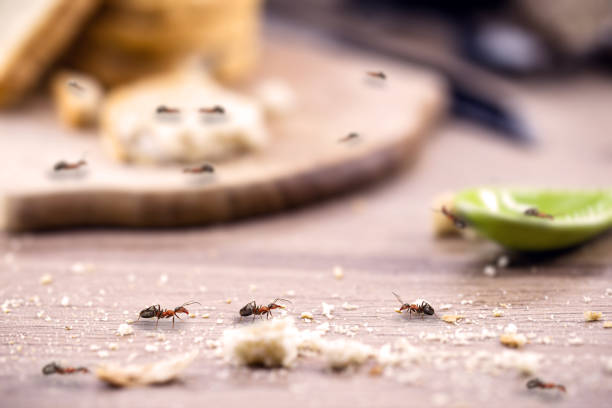
1. Natural Remedies for Ants:
Ants are among the most common pests during the rainy season. Heavy rainfall often floods their underground nests, forcing them to enter homes in search of dry shelter and food. Kitchens, dining areas, and pantries are particularly vulnerable because ants are attracted to sugary foods, crumbs, and spilled liquids.
- One of the simplest natural remedies is cinnamon powder, which disrupts the scent trails ants use to navigate. Sprinkle cinnamon near doors, windows, kitchen counters, and other entry points to discourage them.
- Turmeric powder is another traditional remedy known for its natural insect-repelling properties and can be applied in the same way.
- A mixture of equal parts white vinegar and water can also be sprayed on countertops, floors, and ant trails. Vinegar removes the pheromone trails that guide other ants, making it harder for them to find food sources.
- Additionally, placing lemon peels or a few drops of lemon juice near entryways can deter ants because they dislike the strong citrus scent.
To achieve lasting results, combine these remedies with regular cleaning, proper food storage, and immediate cleanup of spills and crumbs.

2. Natural Remedies for Cockroaches:
Cockroaches thrive in warm, damp environments, making monsoon the perfect season for them to invade kitchens, bathrooms, and drains. Besides being unpleasant, they can spread bacteria, contaminate food, and trigger allergies. Fortunately, several natural remedies can help keep them away.
- A popular home remedy is a mixture of baking soda and sugar. The sugar attracts cockroaches, while the baking soda reacts inside their digestive system. Place small amounts of this mixture in areas where cockroach activity is common, ensuring it remains inaccessible to children and pets.
- Bay leaves are another effective natural repellent. Crush a few dried bay leaves and place them inside cupboards, under sinks, behind appliances, and near garbage bins. The strong aroma is unpleasant to cockroaches and encourages them to stay away.
- Essential oils such as peppermint, eucalyptus, and tea tree oil can also act as natural repellents. Mix a few drops with water and spray the solution around drains, cabinets, and corners.
Regularly cleaning kitchen surfaces, fixing water leaks, and keeping food sealed will make these natural remedies even more effective.
(Also Read: How to Keep Home Pest Free in Monsoon: The Complete Homeowner’s Guide)

3. Natural Remedies for Mosquitoes:
Mosquitoes become a major concern during monsoon because stagnant water provides ideal breeding conditions. Besides causing itchy bites, mosquitoes can transmit serious diseases such as dengue, malaria, and chikungunya. Preventing mosquito breeding is therefore just as important as repelling adult mosquitoes.
- One of the best natural solutions is planting citronella, basil, lemongrass, mint, or marigold around your home. These plants emit fragrances that mosquitoes dislike and can help reduce their presence in gardens, balconies, and near windows.
- Burning citronella candles or using a diffuser with eucalyptus, lavender, or neem oil can also help keep mosquitoes away from indoor spaces. For an easy homemade spray, combine a few drops of essential oil with water and lightly spray around windows, curtains, and doorways.
- Camphor is another traditional remedy widely used in many households. Burning a small piece in a well-ventilated room for a short period may help repel mosquitoes.
Alongside these remedies, always eliminate stagnant water from flower pots, buckets, coolers, and drains to stop mosquitoes from breeding in the first place.

4. Natural Remedies for Houseflies:
Houseflies become especially active during the rainy season due to increased moisture and the rapid decomposition of organic waste. They can contaminate food by carrying bacteria from garbage, drains, and other unsanitary surfaces. Preventing flies naturally begins with maintaining a clean kitchen and proper waste disposal.
- One traditional home remedy involves placing cloves inside a freshly cut lemon. The combination of citrus and clove creates a strong fragrance that flies find unpleasant. Position these lemon halves near dining tables, windows, or kitchen counters where flies tend to gather.
- Fresh herbs such as mint, basil, and lavender also work as natural fly repellents. Growing these plants near windows or keeping small pots indoors can discourage flies from entering your home.
- Additionally, wiping kitchen counters with a mixture of white vinegar and water helps remove food odors that attract flies.
Keeping garbage bins tightly covered, cleaning spills immediately, and ensuring fruits are not left exposed for long periods are equally important. When combined with good sanitation, these natural remedies can significantly reduce fly activity during the monsoon months.
(Also Read: How Hygiene Affects Attraction in Relationships: A Deep and Detailed Exploration)

5. Natural Remedies for Silverfish:
Silverfish are small, wingless insects that thrive in humid environments. During the monsoon, they are commonly found in wardrobes, bookshelves, bathrooms, and storage boxes, where they feed on paper, glue, fabric, and other starch-rich materials. Although they do not bite humans, they can cause considerable damage to books, important documents, wallpapers, and clothing.
- The most effective natural way to control silverfish is by reducing humidity.
- Place silica gel packets inside cupboards, drawers, and storage containers to absorb excess moisture. You can also use natural moisture absorbers such as charcoal or baking soda in enclosed spaces.
- Cedarwood is another excellent natural deterrent. Cedar blocks or cedar oil placed inside wardrobes and bookshelves produce a scent that silverfish dislike.
- Similarly, dried bay leaves or whole cloves can be tucked between books and stored fabrics to help discourage these insects.
Regular vacuuming, dusting, and decluttering are equally important because silverfish hide in dark, undisturbed areas. Ensure books, newspapers, and cardboard boxes remain dry, and improve ventilation wherever possible. These simple preventive measures can greatly reduce silverfish activity without relying on chemical pesticides.

6. Natural Remedies for Termites:
Termites are among the most destructive pests that become active during humid weather. Moist wooden furniture, doors, and cabinets provide an ideal environment for termite colonies. Since termites often remain hidden until significant damage has occurred, early prevention is essential.
- One natural remedy is neem oil, which has insect-repelling properties. Apply neem oil to small wooden items or affected areas using a soft cloth or brush. Regular application may help discourage termite activity on exposed wood surfaces.
- Another commonly used method involves spraying white vinegar mixed with lemon juice into small cracks and crevices where termite activity is suspected. While this may help in localized areas, it is generally more effective as a preventive measure than as a solution for large infestations.
- Keeping wooden furniture dry is equally important.
- Avoid placing furniture directly against damp walls, repair leaks promptly, and ensure proper ventilation throughout your home.
Periodically inspect wooden structures for mud tubes, hollow sounds, or discarded wings. While these natural remedies can help reduce the risk of termites, extensive infestations should always be handled by professional pest control specialists to prevent structural damage.
(Also Read: Dental Hygiene for Adults: A Comprehensive Guide)

7. Natural Remedies for Rodents:
Monsoon flooding often forces rats and mice out of sewers and burrows, increasing the likelihood of them entering homes in search of food and shelter. Rodents can chew electrical wiring, contaminate food, and spread harmful diseases, making prevention particularly important.
- One natural deterrent is peppermint oil, whose strong scent is unpleasant to rodents. Soak cotton balls in peppermint oil and place them near entry points, under sinks, behind appliances, and in storage rooms. Replace them every few days to maintain their effectiveness.
- Another traditional remedy is using whole cloves or placing small sachets of dried mint leaves in areas where rodents are likely to travel. While these scents may discourage rodents temporarily, eliminating food sources is even more important.
- Store grains, cereals, and pet food in airtight containers, clean up crumbs immediately, and empty garbage bins regularly.
- Seal cracks around doors, pipes, and walls using steel wool or appropriate sealants, as rodents can squeeze through surprisingly small openings. Keeping your home clutter-free also removes potential nesting sites.
Combined with proper sanitation and home maintenance, these natural remedies can help minimize rodent activity during the rainy season.
Conclusion:
Keeping your home pest-free during the monsoon doesn’t have to rely solely on chemical pesticides or expensive treatments. Simple natural remedies, combined with good hygiene and regular home maintenance, can go a long way in preventing common seasonal pests such as ants, cockroaches, mosquitoes, houseflies, silverfish, termites, and rodents. Ingredients like vinegar, cinnamon, neem oil, peppermint oil, cloves, bay leaves, and citronella are not only easy to find but also offer an eco-friendly way to deter pests without introducing harsh chemicals into your living space.
If you notice persistent pest problems despite following these remedies, it’s advisable to consult a professional pest control service. Early intervention can prevent costly damage to your home and reduce health risks associated with disease-carrying pests. By combining natural solutions with consistent household practices, you can enjoy a cleaner, healthier, and more comfortable home throughout the monsoon season.
(Also Read: Body Odor Solutions: Causes, Prevention, and Effective Remedies)
FAQs:
Q. Are natural home remedies effective against monsoon pests?
A. Natural home remedies are effective for preventing and controlling minor pest infestations. Ingredients like neem oil, peppermint oil, vinegar, cinnamon, and citronella can help repel common pests. However, severe infestations may require professional pest control treatment for complete elimination.
Q. Which natural remedy works best for mosquitoes?
A. Citronella, neem oil, eucalyptus oil, lavender oil, and mosquito-repelling plants such as basil, lemongrass, and marigold are among the most effective natural solutions. Removing stagnant water is equally important, as it prevents mosquitoes from breeding.
Q. How can I naturally keep cockroaches away during the rainy season?
A. Keeping your kitchen clean and dry is the first step. You can also use natural repellents like crushed bay leaves, peppermint oil spray, or a baking soda and sugar mixture in areas where cockroach activity is noticed. Fixing leaks and storing food in airtight containers also helps discourage infestations.
Q. What smells do ants dislike?
A. Ants are repelled by strong scents such as cinnamon, peppermint, lemon, vinegar, cloves, and turmeric. Applying these natural ingredients near entry points and cleaning ant trails with a vinegar solution can help prevent them from returning.
Q. Can essential oils really repel household pests?
A. Yes. Essential oils such as peppermint, tea tree, eucalyptus, lavender, citronella, and neem have natural insect-repelling properties. While they may not eliminate established infestations, they are useful for preventing pests from entering your home when used regularly.
Q. How often should I use natural pest repellents?
A. Most natural repellents should be reapplied every few days or after heavy cleaning, especially during the monsoon when humidity can reduce their effectiveness. Essential oil sprays may need to be refreshed more frequently to maintain their scent.
Q. Are natural pest control methods safe for children and pets?
A. Many natural remedies are safer than chemical pesticides, but they should still be used responsibly. Some essential oils and ingredients may cause irritation or be harmful if ingested by children or pets. Always use them according to instructions and keep them out of reach.
Q. When should I call a professional pest control service?
A. If you notice recurring pest activity, extensive termite damage, large rodent infestations, or persistent cockroach problems despite using preventive measures, it’s best to contact a professional pest control company. Professional treatments provide targeted solutions and help prevent future infestations.
Q. How can I prevent pests from entering my home during monsoon?
A. Seal cracks and gaps around doors and windows, repair leaking pipes, remove standing water, keep your home clean and dry, dispose of garbage regularly, and store food in airtight containers. These preventive measures greatly reduce the chances of pests entering your home.
Q. Can natural remedies completely replace chemical pesticides?
A. Natural remedies are excellent for prevention and managing small pest problems, but they may not completely eliminate severe infestations. For long-term protection, combine natural methods with proper home maintenance, and seek professional pest control if the infestation becomes widespread.

You May Also Like
How to Keep Home Pest Free i ...
15 July 2026
Effective Homemade Pest Repe ...
30 June 2026

How Hygiene Affects Attracti ...
15 June 2025
About Us

Hygiene means the way to stay healthy. It is not only important for physical but also mental health, because it directly affects your mind and brain.


Leave a Comment