

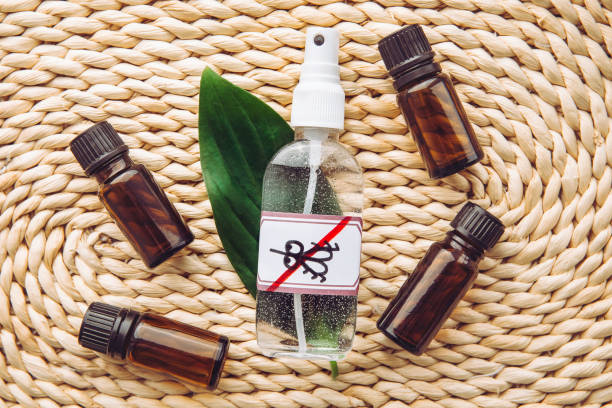
Monsoon creates the perfect conditions for pests to thrive. High humidity, stagnant water, and damp corners attract mosquitoes, cockroaches, ants, flies, rodents, and other unwanted visitors. While commercial pest repellents are widely available, many natural ingredients found in your kitchen or garden can help keep pests away without relying heavily on chemicals. These homemade pest repellent are easy to prepare, affordable, and environmentally friendly. Although they are best suited for preventing or managing minor infestations, using them consistently alongside proper cleaning and home maintenance can significantly reduce pest activity during the rainy season.
Table of Contents
Why Is It Important to Use Pest Repellents During the Monsoon?
The monsoon season creates ideal conditions for pests to multiply rapidly. Increased humidity, damp walls, stagnant water, overflowing drains, and accumulated waste provide food, moisture, and shelter for insects and rodents. As a result, homes become more susceptible to infestations by mosquitoes, cockroaches, ants, flies, termites, silverfish, and rodents. Using homemade pest repellent during this season is not just about keeping your home comfortable it also plays a crucial role in protecting your family’s health and preserving your property.
Many monsoon pests are known carriers of diseases. Mosquitoes can spread dengue, malaria, and chikungunya, while flies and cockroaches contaminate food with harmful bacteria. Rodents may transmit diseases through their droppings and urine, and termites can silently damage expensive wooden furniture and structural elements of your home. Preventive homemade pest repellent help minimize these risks before infestations become severe.
Natural homemade pest repellents offer an eco-friendly alternative to harsh chemicals and are ideal for regular use in homes with children and pets. Chemical repellents, on the other hand, provide faster and longer-lasting protection when pest activity is high. Combining preventive cleaning, moisture control, and the right type of homemade pest repellent creates multiple layers of defense that keep pests from entering and breeding inside your home. Regular use during the rainy season can save homeowners from expensive repairs, health hazards, and recurring pest problems.
(Also Read: Is It Safe To Have Sex In Corona Virus Pandemic Situation?)
11 Effective Natural Homemade Pest Repellent:
It’s important to remember that even the most effective homemade pest repellent cannot solve the problem if the conditions attracting pests remain unchanged. Regular cleaning, proper waste disposal, eliminating standing water, fixing leaks, storing food in airtight containers, and sealing cracks around doors and windows are equally important steps in preventing infestations. So, see below best natural homemade pest repellents.

1. Neem Oil Spray:
Neem oil contains azadirachtin, a natural compound that disrupts insects’ feeding habits, growth, and reproductive cycle. The strong smell also discourages pests from entering treated areas. The liquid soap helps emulsify the oil, allowing it to mix evenly with water and coat surfaces more effectively. Although neem oil doesn’t kill insects instantly, repeated use gradually reduces pest activity by making your home less attractive to them.
Ingredients:
- 2 tablespoons neem oil
- 1 teaspoon liquid castile soap or mild dish soap
- 500 ml water
How to Prepare and Use:
- Mix the water and liquid soap in a spray bottle before adding the neem oil. Shake well until the ingredients are thoroughly combined.
- Spray the solution around kitchen cabinets, under sinks, behind refrigerators, near drains, and along cracks where cockroaches and ants are commonly seen.
- Repeat the application every three to four days or after mopping the treated surfaces.
Best For: Cockroaches, ants, and occasional silverfish.
Safety Tip: Avoid spraying directly on food preparation surfaces without cleaning them afterward.

2. Cinnamon and Clove Barrier:
Ants communicate using pheromone trails that guide the colony to food sources. The strong aroma of cinnamon and cloves interferes with these chemical trails, making it difficult for ants to navigate. Cloves contain eugenol, a naturally occurring compound known for its insect-repelling properties, while cinnamon acts as a powerful scent barrier. Together, they create an environment that ants prefer to avoid without harming them or introducing toxic chemicals into your home.
Ingredients:
- 2 tablespoons cinnamon powder
- 1 tablespoon ground cloves
How to Prepare and Use
Mix the cinnamon and clove powders thoroughly and sprinkle the blend along window sills, doorways, pantry shelves, under sinks, and any visible ant trails. Replace the powder every few days or after cleaning. You can also place the mixture in small breathable sachets inside kitchen cabinets.
Best For: Ant infestations in kitchens and dining areas.
Safety Tip: Keep powdered spices away from curious pets that may sniff or ingest them.
(Also Read: Sex Life VS Corona Virus | Sex Guide In Corona Pandemic)
3. Vinegar and Lemon Cleaning Spray:
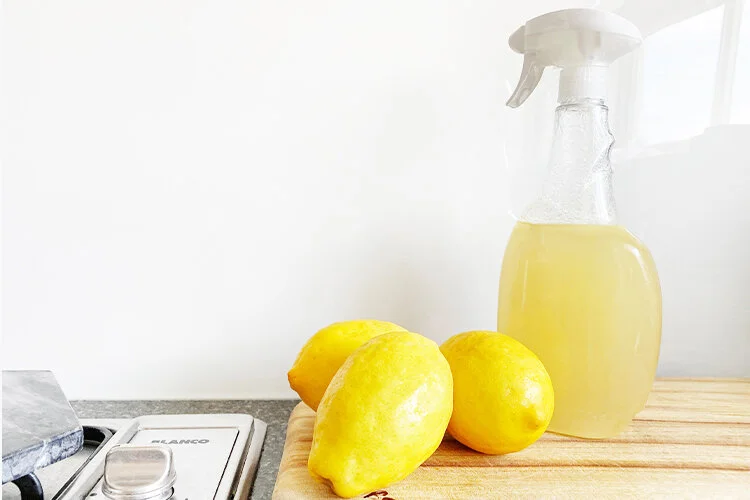
White vinegar naturally removes grease, food residue, and pheromone trails left behind by ants. Without these scent trails, ants struggle to relocate food sources. Lemon contains citric acid and essential oils that produce a strong citrus fragrance disliked by many insects, including ants and flies. Together, vinegar and lemon not only clean household surfaces but also eliminate odors that attract pests, making this an effective preventive solution.
Ingredients:
- 1 cup white vinegar
- 1 cup water
- Juice of one fresh lemon
How to Prepare and Use:
- Mix all the ingredients in a spray bottle and shake gently.
- Spray the solution onto kitchen countertops, dining tables, floors, garbage bin lids, and windowsills.
- Wipe the surfaces with a clean cloth after spraying.
- Use the solution daily during the monsoon to keep surfaces clean and discourage pests.
Best For: Ants, flies, and general kitchen hygiene.
Safety Tip: Avoid using vinegar on natural stone surfaces such as marble or granite.

4. Peppermint Oil Spray:
Peppermint contains menthol, which produces a strong aroma that overwhelms the sensitive sense of smell used by rodents and spiders to navigate and locate food. The scent disrupts their movement patterns and encourages them to avoid treated areas. Although peppermint does not eliminate infestations, it serves as an effective natural deterrent when combined with sealing entry points and maintaining cleanliness.
Ingredients:
- 15 drops peppermint essential oil
- 500 ml water
- 1 teaspoon liquid soap
How to Prepare and Use
- Add the peppermint oil and soap to water in a spray bottle and shake thoroughly before each use.
- Spray around baseboards, under furniture, storage rooms, garages, entry points, and behind appliances.
- Reapply every few days to maintain the scent.
Best For: Rodents, spiders, and occasional insects.
Safety Tip: Some pets, particularly cats, may be sensitive to essential oils. Use with caution and ensure adequate ventilation.

5. Citronella Mosquito Repellent Spray:
Citronella contains natural compounds such as citronellal and geraniol, which mask the scents that attract mosquitoes to humans. Eucalyptus oil enhances the repellent effect while providing a refreshing fragrance. Witch hazel or rubbing alcohol helps disperse the oils evenly throughout the solution. This combination creates a temporary protective barrier that discourages mosquitoes from lingering around treated spaces.
Ingredients:
- 10 drops citronella essential oil
- 10 drops eucalyptus oil
- 500 ml water
- 1 teaspoon witch hazel or rubbing alcohol
How to Prepare and Use:
- Combine all the ingredients in a spray bottle and shake well.
- Lightly spray around windows, curtains, balconies, patios, and other outdoor seating areas.
- Reapply every few hours if used outdoors.
Best For: Mosquitoes in living rooms, balconies, and outdoor gatherings.
Safety Tip: Do not spray directly onto pets or near open flames.
(Also Read: What Are The Effects Of Not Having Sex On Your Body?)

6. Lavender and Eucalyptus Room Spray:
Lavender and eucalyptus release aromatic compounds that many insects find unpleasant. Their strong fragrances interfere with insects’ ability to detect food sources and suitable nesting areas. Besides repelling mosquitoes and flies, these oils leave rooms smelling fresh and pleasant for people. Regular use helps maintain an environment that is less inviting for common household pests during humid weather.
Ingredients:
- 10 drops lavender oil
- 10 drops eucalyptus oil
- 500 ml distilled water
How to Prepare and Use:
Pour all ingredients into a spray bottle and shake well before each use.
Spray lightly around bedrooms, curtains, upholstery, wardrobes, and living spaces once or twice daily.
Best For: Mosquitoes, flies, and freshening indoor spaces.
Safety Tip: Test delicate fabrics before spraying directly.
7. Baking Soda and Sugar Bait for Cockroaches:
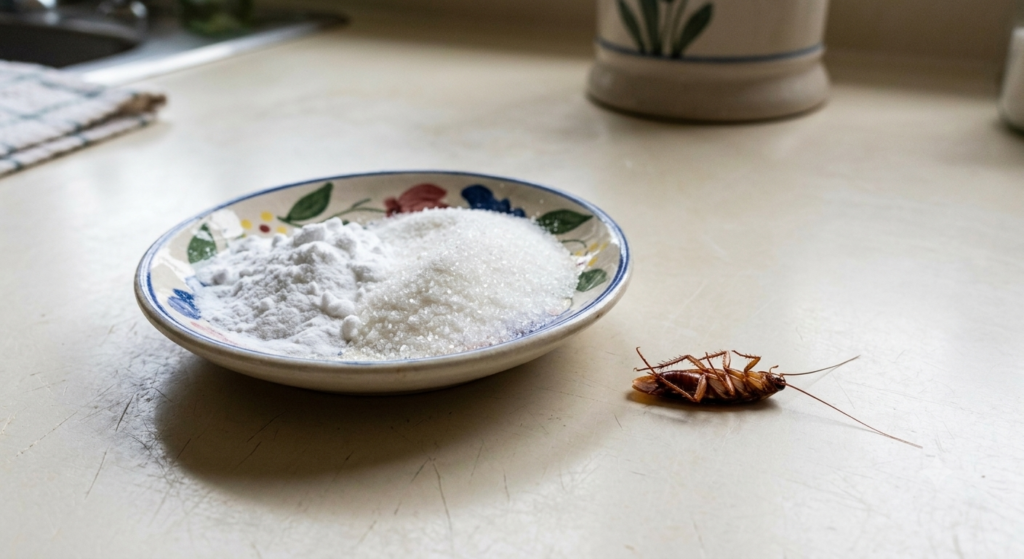
Sugar attracts cockroaches by acting as bait. Once consumed, the baking soda reacts with acids inside the cockroach’s digestive system, producing gas that the insect cannot easily release. This eventually proves fatal. While this homemade bait may reduce small cockroach populations, it works gradually and is most effective when combined with proper sanitation and moisture control.
Ingredients
- 2 tablespoons baking soda
- 2 tablespoons sugar
How to Prepare and Use
- Mix equal quantities of baking soda and sugar in a small bowl.
- Place small amounts on shallow lids or pieces of cardboard behind appliances, under sinks, and inside cabinets where cockroach activity is noticed.
Best For: Kitchens and utility rooms.
Safety Tip: Keep the bait away from children and pets.

8. Garlic and Chili Garden Spray:
Garlic contains sulfur compounds that emit a strong odor disliked by many insects. Capsaicin in chilies irritates pests and discourages feeding on plants. Together, these ingredients create a natural barrier that helps reduce pest activity around gardens and outdoor spaces, lowering the chances of insects entering your home.
Ingredients:
- 8 garlic cloves
- 2 green chilies
- 1 litre water
How to Prepare and Use:
Blend the garlic, chilies, and water into a smooth mixture. Let it sit overnight, strain the liquid, and pour it into a spray bottle. Spray on garden plants, around balconies, and near outdoor entry points.
Best For: Garden insects and outdoor pest prevention.
Safety Tip: Wear gloves while preparing the mixture and avoid contact with your eyes.
(Also Read: 9 Ayurvedic Herbs For Sex Power)
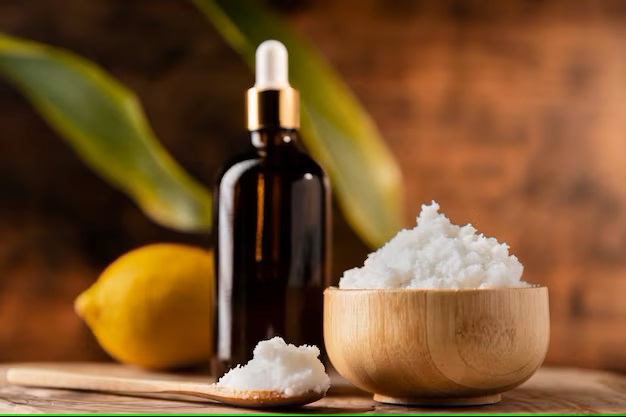
9. Camphor Mosquito Repellent:
Camphor releases aromatic vapors that interfere with mosquitoes’ ability to detect human scents such as carbon dioxide and body odors. The strong smell discourages mosquitoes from remaining indoors and has been traditionally used in many households as a natural mosquito repellent.
Ingredients:
- 2–3 camphor tablets
How to Prepare and Use:
- Place the camphor tablets in a heat-safe diffuser or burner and allow them to release their vapors in a closed room for about 20 minutes.
- Ventilate the room afterward before occupying it.
Best For: Bedrooms and living rooms.
Safety Tip: Burn camphor only in a safe, well-supervised manner and keep it away from children and pets.
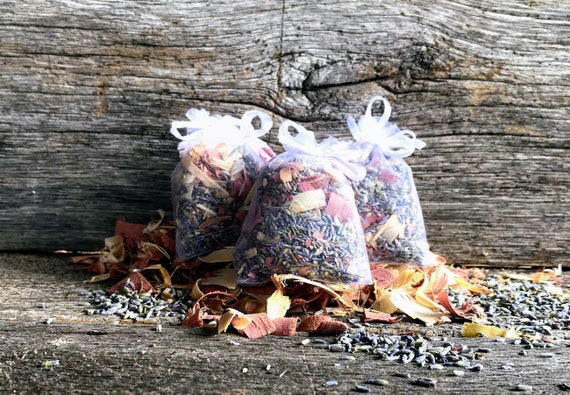
10. Cedarwood Sachets:
Cedarwood naturally contains aromatic oils that silverfish and several other insects find unpleasant. The scent discourages them from nesting in enclosed spaces while also helping absorb minor moisture. Cedarwood is especially useful for protecting books, clothing, and important documents from silverfish damage during humid weather.
Ingredients
- Cedarwood chips or cedar blocks
- Small breathable cloth bags
How to Prepare and Use
- Fill small cloth sachets with cedarwood chips or place cedar blocks directly inside wardrobes, bookshelves, drawers, and storage boxes.
- Replace them every few months as the fragrance fades.
Best For: Silverfish in cupboards, wardrobes, and libraries.
Safety Tip: Ensure cedar blocks remain dry to preserve their effectiveness.
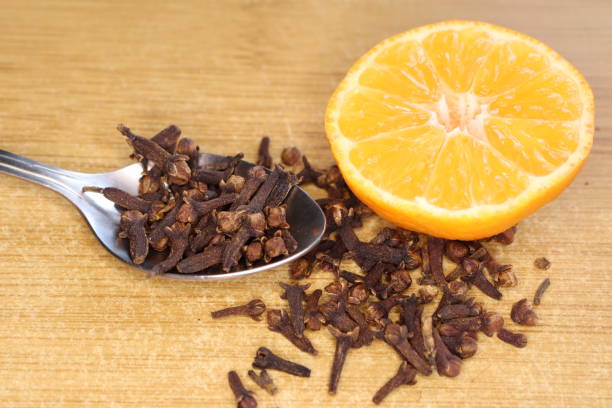
11. Citrus Peel and Clove Sachets:
Citrus peels contain natural essential oils, particularly limonene, which many insects find unpleasant. Cloves are rich in eugenol, a naturally occurring compound known for its insect-repelling properties. Together, these ingredients release a strong, refreshing aroma that helps discourage ants, silverfish, cockroaches, and small crawling insects from entering enclosed storage spaces.
Unlike synthetic air fresheners or chemical repellents, these sachets are biodegradable, inexpensive, and easy to prepare at home. They also leave cupboards smelling fresh while helping reduce moisture-related odors that often develop during the monsoon.
Ingredients
- Peels from 2–3 oranges or lemons (dried)
- 10–12 whole cloves
- Small muslin or cotton sachets
How to Prepare and Use
- Allow the citrus peels to dry completely in sunlight or indoors until all moisture has evaporated.
- Once dry, cut them into smaller pieces and mix them with whole cloves.
- Place the mixture into breathable muslin or cotton sachets and keep them inside wardrobes, kitchen cabinets, shoe racks, drawers, and pantry shelves.
- Replace the sachets every three to four weeks or whenever the fragrance begins to fade.
Best For: Cupboards, wardrobes, shoe racks, kitchen cabinets, and pantry shelves.
Safety Tip: Ensure the citrus peels are completely dry before storing them to prevent mold growth.
(Also Read: What Are The Benefits Of Sex Regularly?)
Conclusion:
Choosing the right pest repellent during the monsoon is essential for maintaining a clean, healthy, and comfortable home. While natural remedies such as neem oil, peppermint oil, citronella, vinegar, cinnamon, cloves, and cedarwood provide safe and environmentally friendly protection, chemical repellents can offer quicker and more targeted results when dealing with larger or persistent infestations. The best approach is often a combination of both—using natural repellents for routine prevention and relying on approved chemical solutions only when necessary.
Consistency is the key to long-term pest control. By incorporating these DIY remedies into your regular household routine and addressing moisture issues promptly, you can significantly reduce pest activity throughout the rainy season. A proactive approach not only protects your family’s health but also helps preserve your home, furniture, and belongings from costly damage. With the right combination of prevention, maintenance, and timely intervention, you can enjoy a pest-free home all season long.
FAQs:
Q. What is the best pest repellent for homes during the monsoon?
A. There isn’t a single solution that works for every pest. Neem oil, citronella, peppermint oil, and vinegar-based sprays are excellent natural repellents, while commercial insect sprays, mosquito vaporizers, cockroach gels, and termite treatments are effective chemical options. The best choice depends on the type of pest and the severity of the infestation.
Q. Are natural homemade pest repellents as effective as chemical repellents?
A. Natural repellents work well for preventing pests and controlling minor infestations. Chemical repellents usually provide faster and longer-lasting results, especially when dealing with established infestations. Combining both methods often delivers the best overall protection.
Q. How often should I apply homemade pest repellent sprays?
A. Most homemade sprays should be reapplied every three to five days or after cleaning the treated surfaces. Outdoor applications may need more frequent use because rain and humidity can reduce their effectiveness.
Q. Which essential oils repel the most household pests?
Peppermint, citronella, eucalyptus, lavender, neem, tea tree, and lemongrass essential oils are among the most effective natural repellents. Different oils work better against different pests, so choosing the right one depends on the specific pest you’re trying to control.
Q. Can I use these DIY repellents in the kitchen?
A. Yes, many natural repellents such as vinegar, lemon, cinnamon, and cloves are suitable for kitchen use. However, avoid spraying essential oils directly onto food preparation surfaces or uncovered food. Always wipe surfaces clean before preparing meals.
Q. Are homemade pest repellents safe for children and pets?
A. Most natural ingredients are safer than conventional pesticides, but they should still be used carefully. Certain essential oils may irritate pets or young children if used in high concentrations. Store homemade mixtures securely and always use them according to recommended guidelines.
Q. What is the biggest mistake homeowners make during monsoon?
A. One of the most common mistakes is ignoring moisture. Standing water, leaking pipes, damp walls, overflowing garbage bins, and food left uncovered create ideal conditions for pests to breed. Addressing these issues is just as important as using repellents.
Q. When should I switch from DIY remedies to professional pest control?
A. If you continue to notice recurring pest activity despite regular preventive measures, or if you discover signs of termites, large rodent infestations, or widespread cockroach problems, it’s advisable to seek professional pest control. Early treatment can prevent serious health risks and expensive property damage.
Q. Can I use multiple natural repellents together?
A. Yes. In fact, combining different natural repellents often provides broader protection. For example, you can use citronella spray for mosquitoes, peppermint oil near entry points for rodents, and cinnamon or clove powder to deter ants. Just ensure the scents are not overwhelming in enclosed spaces.
Q. How can I keep my home pest-free throughout the rainy season?
A. Maintain a regular cleaning schedule, fix water leaks promptly, eliminate standing water, store food in airtight containers, empty garbage bins daily, improve ventilation, seal cracks and gaps, and use natural or chemical pest repellents consistently. Prevention is always more effective and less expensive than treating a full-blown infestation.

You May Also Like
How to Keep Home Pest Free i ...
15 July 2026
From Ants to Mosquitoes: Hom ...
30 May 2026

How Hygiene Affects Attracti ...
15 June 2025
About Us

Hygiene means the way to stay healthy. It is not only important for physical but also mental health, because it directly affects your mind and brain.


Leave a Comment