


Boils are red, pus-filled bumps that form under the skin and are extremely painful. A boil doesn’t heal until it ripens and the pus drains completely. Therefore, in the event of a boil, everyone needs to find a way to ripen the boil or lump and clear it as soon as possible. This article is about ripening a boil, in which you’ll learn about home remedies for boils.
(Also Read: 8 Effective Skin Care Hacks For Oily Skin)
Table of Contents
Why Do Boils Happen?
Boils happen when a hair follicle or oil gland becomes infected, most often by bacteria. Here are the key reasons why boils develop:
1. Bacterial Infection (Most Common Cause)
The majority of boils are caused by Staphylococcus aureus bacteria. These bacteria can enter the skin through tiny cuts, ingrown hairs, or friction, leading to an infection that forms a painful, pus-filled lump.
2. Ingrown Hairs
When a hair grows back into the skin instead of outward, it can irritate the follicle and become infected, resulting in a boil.
3. Blocked Sweat or Oil Glands
When sweat glands or sebaceous (oil) glands get blocked, bacteria can multiply inside, causing inflammation and a boil.
4. Poor Hygiene
Not keeping the skin clean increases bacterial buildup, which can lead to infections and boils.
5. Weakened Immune System
People with weak immune systems or chronic conditions (like diabetes) are more likely to get boils because their bodies are less able to fight off infections.
6. Friction and Irritation
Constant rubbing from clothing or shaving can irritate hair follicles, making it easier for bacteria to enter and cause a boil.
7. Close Contact With Infected People
Boils can spread through direct skin contact or sharing personal items like towels, razors, or clothing with someone who has a boil.
8. Excessive Sweating
Sweat can clog pores and make skin more likely to develop infections, especially in areas like the armpits, groin, and buttocks.
(Also Read: 7 Best ways Stop a Bleeding Shaving Cut)
Effective Home Remedies for Boils: Natural Solutions to Heal Fast
Boils are painful, red, and swollen bumps that form on the skin when hair follicles or sweat glands become infected. They are usually filled with pus and can occur anywhere on the body, though common sites include the neck, face, armpits, and buttocks. While boils are generally harmless, they can be uncomfortable and unsightly. Fortunately, several home remedies can help treat boils, reduce pain, and speed up healing.
Here’s a brief guide to some of the most effective home remedies for boils:
1. Warm Compress:
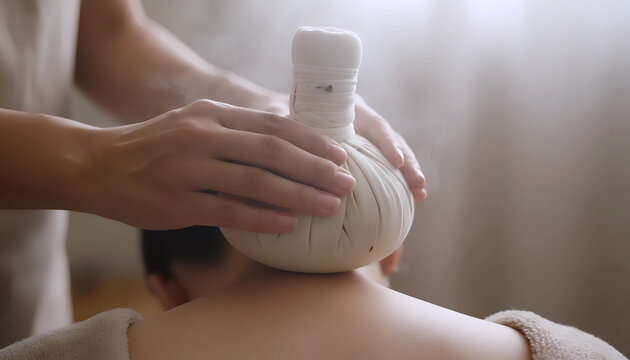
A warm compress is one of the simplest and most effective home remedies for boils. The heat helps increase blood circulation to the area, encouraging the boil to come to a head and drain naturally, which can reduce pain and inflammation.
-
How to use: Soak a clean cloth in warm water, wring it out, and apply it to the boil for 10-15 minutes. Repeat this process 3-4 times a day until the boil bursts.
(Also Read: 9 Effective Home Remedies For Itchy Scalp)
2. Tea Tree Oil:

Tea tree oil is known for its antibacterial and anti-inflammatory properties, which can help fight infection and reduce swelling.
-
How to use: Mix a few drops of diluted tea tree oil (with a carrier oil like coconut or olive oil) and apply it directly to the boil using a cotton swab. Use 2-3 times a day.
3. Turmeric:

Turmeric contains curcumin, a compound with potent anti-inflammatory and antimicrobial properties. It can help reduce pain and inflammation and promote healing.
-
How to use: Create a paste by mixing turmeric powder with water or honey. Apply it to the boil and leave it on for 20-30 minutes. You can also consume turmeric in your diet or take supplements.
(Also Read: Advantages and Disadvantages of Living Alone)
4. Epsom Salt Soak
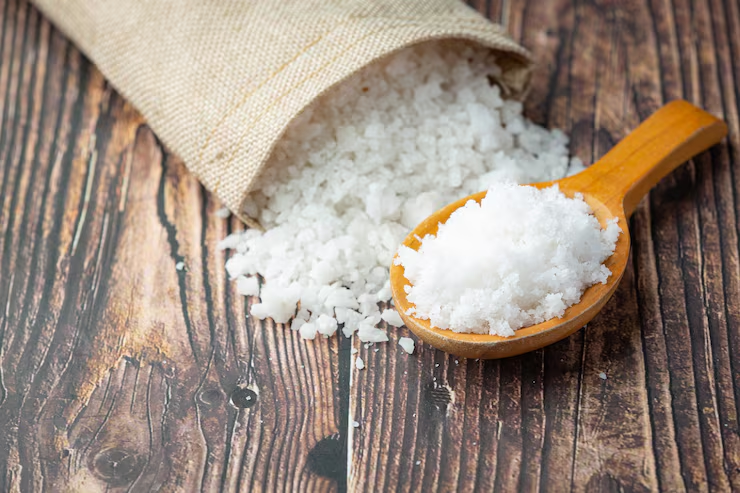
Epsom salt helps to reduce pain and inflammation while drawing out infection from the boil.
-
How to use: Dissolve a few tablespoons of Epsom salt in warm water and soak the affected area for 15-20 minutes, twice a day. This can help soften the skin and promote drainage.
5. Aloe Vera:
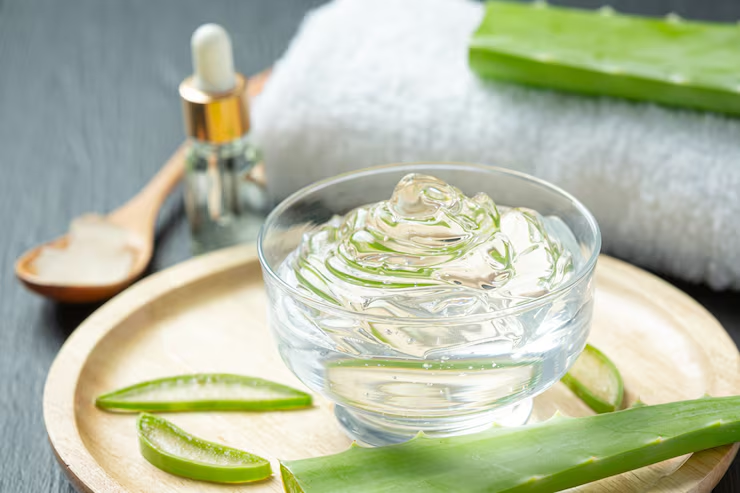
Aloe vera is soothing and helps reduce inflammation and redness around the boil. It also aids in speeding up the healing process. This is one of the best home remedies for boils.
-
How to use: Apply fresh aloe vera gel directly from the plant to the boil. Leave it on for 15-20 minutes, 2-3 times a day.
(Also Read: Benefits Of Evening Exercise)
6. Garlic:
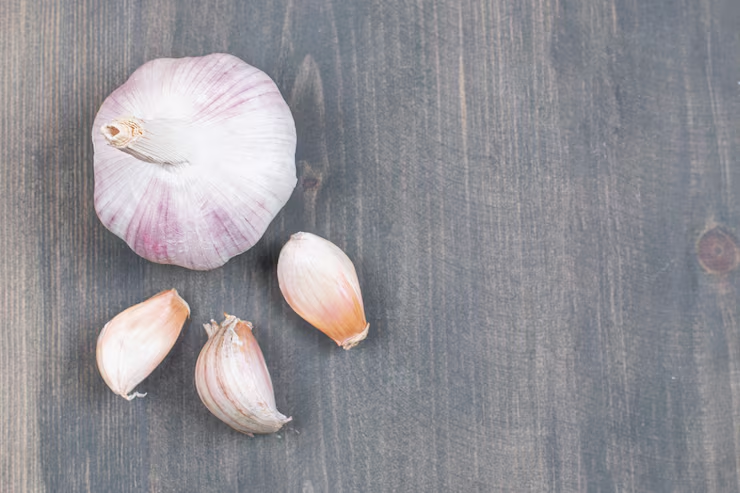
Garlic has natural antibacterial properties that can help fight the infection and reduce swelling. This is one of the best home remedies for boils.
-
How to use: Crush a garlic clove and apply the paste to the affected area for 10-15 minutes. You can also consume garlic regularly for additional health benefits.
7. Baking Soda Paste:
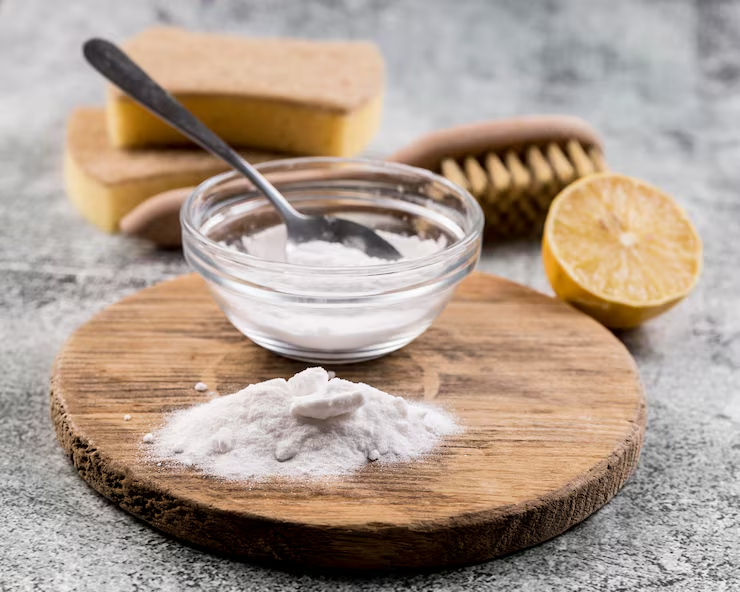
Baking soda can help dry out the boil and reduce inflammation. It also has mild antiseptic properties that can help prevent the infection from spreading.
-
How to use: Mix baking soda with a small amount of water to form a paste. Apply the paste to the boil and leave it on for 10-15 minutes before rinsing with warm water.
(Also Read: 9 Best Face Packs To Remove Pigmentation)
8. Apple Cider Vinegar:
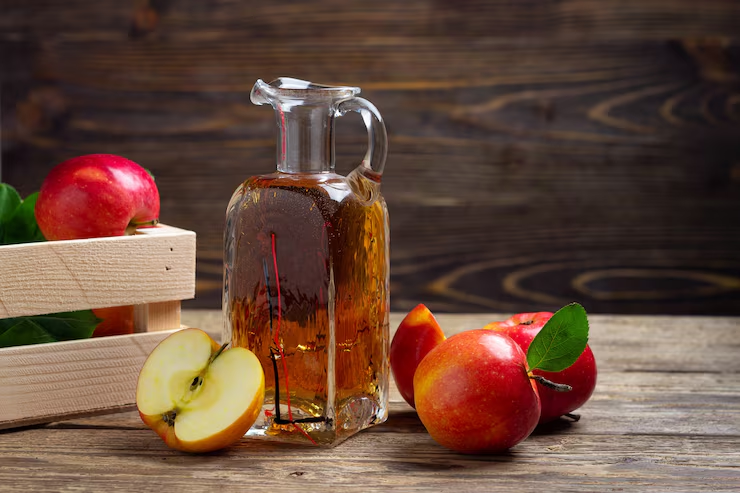
Apple cider vinegar (ACV) has antibacterial and antiseptic properties that may help reduce infection and inflammation. This is one of the best home remedies for boils.
-
How to use: Dilute apple cider vinegar with water (1:2 ratio) and apply it to the boil using a cotton ball. Leave it on for 10-15 minutes, 2-3 times a day.
9. Onion:
Onions have natural antimicrobial properties and can help draw out the infection from the boil. This is one of the best home remedies for boils.
-
How to use: Slice a fresh onion and place a piece over the boil. Cover it with a clean bandage and leave it on for several hours or overnight.
(Also Read: Natural Beauty Tips For Winter)
10. Turmeric and Mustard Oil:
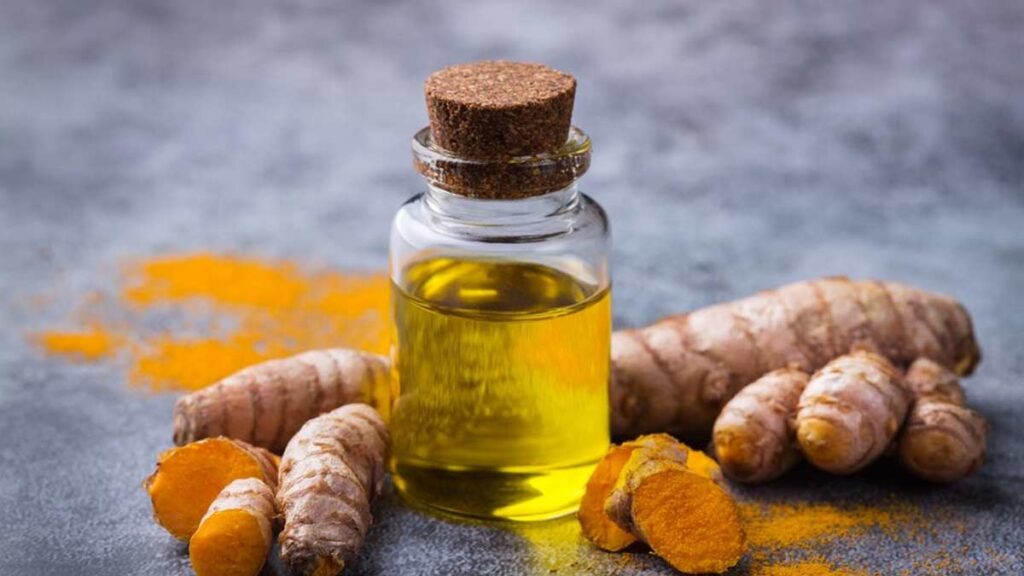
The most effective home remedies for boils is to use turmeric and mustard oil. This is one of the best home remedies for boils.
- How to use: To adopt this Ayurvedic treatment, first mix turmeric with mustard oil to form a paste. Apply this paste to the area affected by the boil. This reduces swelling. The boil softens and ripens quickly, and the pus drains easily, reducing pain. Additionally, you can apply a paste of turmeric and ginger to the boil twice a day.
11. Castor Oil:

Castor oil is an effective natural remedy for successfully treating boils at home due to its powerful anti-inflammatory and antibacterial properties.
- How to use: Apply castor oil to the boil. Try this four times a day. This will soften the boil and cause it to burst quickly. Therefore, this can be an easy home remedy for boils.
(Also Read: 7 Best Homemade Lip Balm For Winter)
12. Hydration and Healthy Diet:

Drinking plenty of water and maintaining a healthy diet boosts your immune system, which helps your body fight infections faster.
-
How to use: Ensure you’re drinking enough water throughout the day and eating nutrient-dense foods, particularly those rich in Vitamin C, to support healing.
13. Aloe Vera and Turmeric Paste:
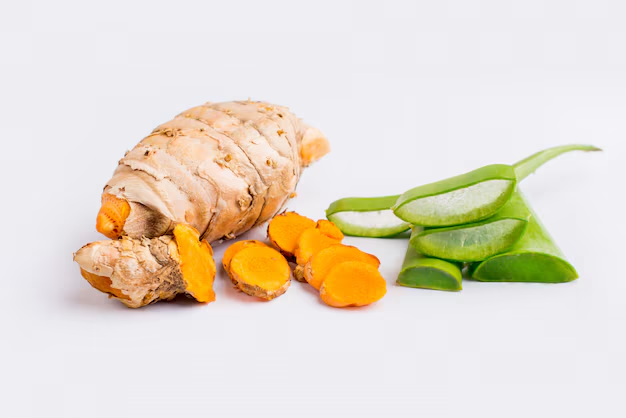
Aloe vera and turmeric have antibacterial properties, making them very beneficial for home remedies for Boils.
- How to use: Mix turmeric with aloe vera pulp and make a paste. Apply it to the boil three times a day. This remedy will help the boil ripen and burst quickly. Once the boil bursts, clean the pus thoroughly with warm water.
(Also Read: 14 Best Sunscreens Available In India)
14. Neem and Tulsi Paste:
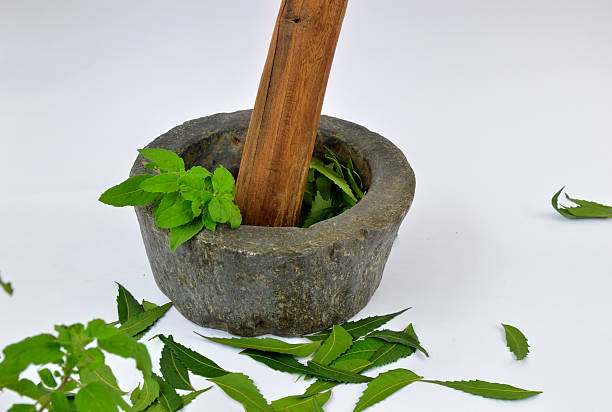
The antiseptic, antibacterial, and antimicrobial properties of neem and basil make them a panacea for boils.
- How to use: Those who are worried about boils and want to get rid of them as soon as possible should grind neem and basil and make a paste and apply it thoroughly to the affected area 3-4 times a day. You will see amazing results in no time. This remedy will relieve the burning and pain of a boil within two days.
15. Cumin Paste:
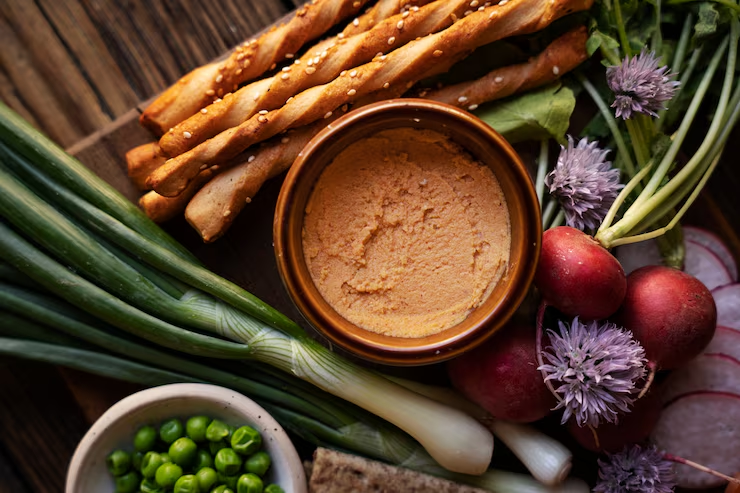
Making a paste of cumin seeds and water and applying it to the affected area can help the boil heal faster and relieve pain.
- How to use: Apply this paste two to three times a day to get rid of the boil quickly.
(Also Read: What Are The Benefits Of Fruit Facial?)
When to See a Doctor:
While these home remedies can help with mild boils, some may require medical attention. If your boil becomes large, increasingly painful, or doesn’t improve after a few days, it’s essential to see a doctor. Boils that are recurrent or accompanied by fever may require antibiotics or drainage by a healthcare professional.
Conclusion:
Boils can be managed effectively with natural remedies at home, but it’s essential to practice good hygiene and avoid squeezing or popping the boil, which could worsen the infection. If you’re unsure or the boil persists, consulting with a healthcare provider is the best course of action.

You May Also Like
9 Best Homemade Scrub for Dr ...
15 June 2026
Home Remedies to Protect Aga ...
15 February 2026

10 Effective Home Remedies f ...
15 January 2026
About Us

Hygiene means the way to stay healthy. It is not only important for physical but also mental health, because it directly affects your mind and brain.


Leave a Comment